Cloudbridge Camera Trapping Project
Location: Cloudbridge Nature Reserve
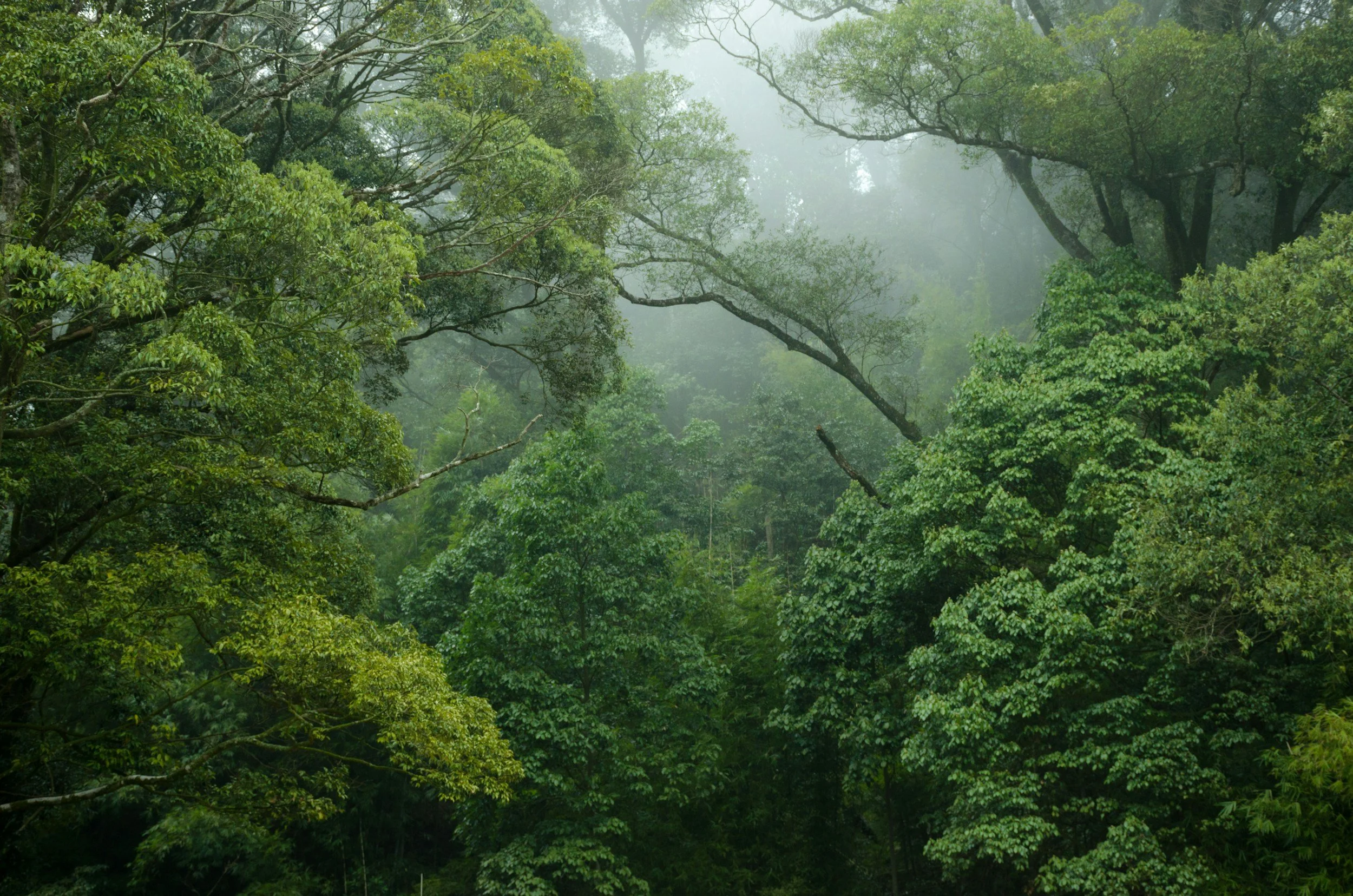
Landscape: Cloud Forest / Montane Forest
Project status: Active
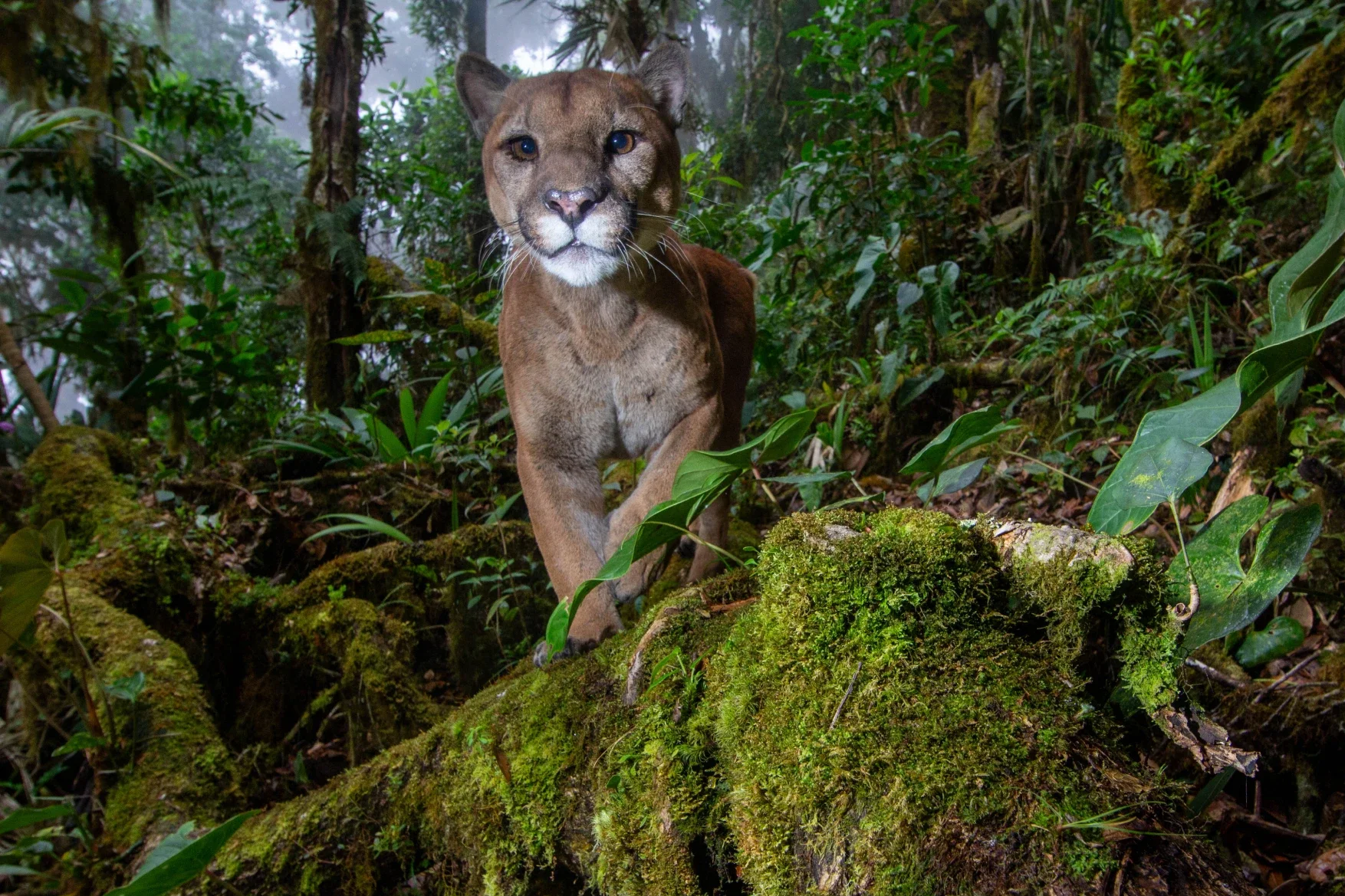
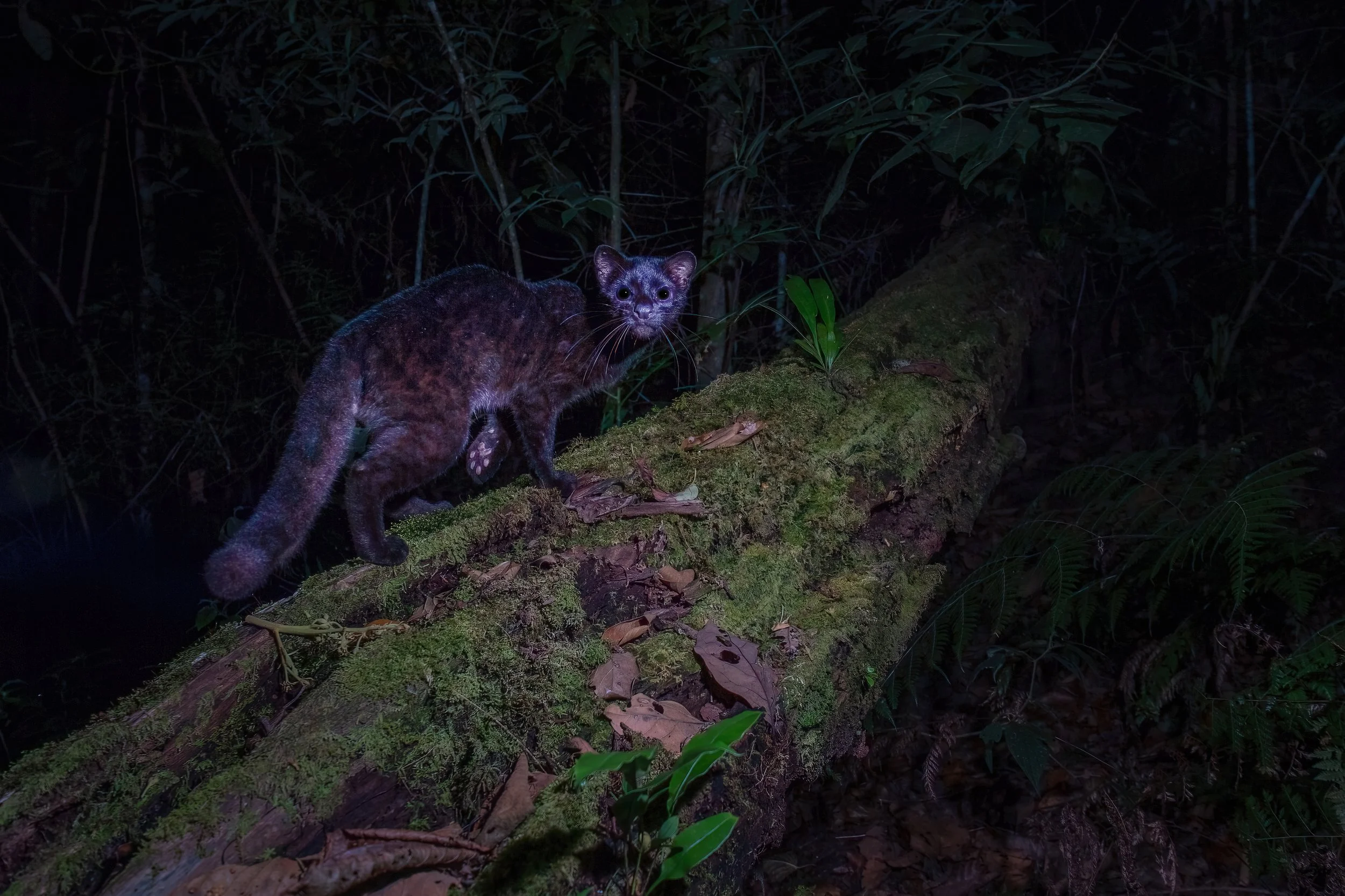
Primary species: Oncilla, Ocelot, Margay, Jaguarundi, Puma, Jaguar
Partners: The Wild Cat Imaging Project and Cloudbridge Nature Reserve
TALAMANCA MOUNTAINS
Wild Cats Above the Clouds
The Talamanca Mountains form one of the most dramatic and biologically important mountain systems in Central America.
Rising from tropical forest into cloud forest and exposed high-elevation habitats, these mountains support an exceptional community of wild cats — including oncilla, ocelot, margay, jaguarundi, puma and jaguar.
Yet much of how these species use the highest parts of the landscape remains poorly understood.
Our Flagship Research Programme
WCIP’s flagship research programme is carried out in partnership with Cloudbridge Nature Reserve, combining long-term ecological monitoring with specialist camera-trapping capability across the Talamanca Mountains.
Together, we are building a clearer picture of which wild cat species are present, how they use different elevations and habitats, and how their activity changes over time.
WCIP supports the programme through camera systems, technical expertise, field deployment and visual documentation, while working alongside the research team at Cloudbridge to ensure the monitoring contributes to meaningful ecological questions.
Why It Matters
Mountain ecosystems are changing rapidly, yet high-elevation habitats remain comparatively under-studied.
Understanding which species currently occupy these environments provides important baseline information against which future ecological change can be assessed.
For lesser-known species such as the oncilla, long-term monitoring at elevation may be particularly valuable in understanding distribution, habitat use and how populations respond to changing conditions.
Long-Term Monitoring
This is not simply about capturing a single photograph.
Long-term camera trapping enables us to begin identifying patterns.
Which species are consistently present?
At what elevations?
During which periods?
How do detections change across habitats and seasons?
Each camera deployment adds another piece to that picture.