Built In The Field
The Wild Cat Imaging Project was created around a simple idea: some of the most extraordinary wildlife stories happen beyond the reach of conventional cameras.
WCIP brings together specialist camera trapping, field experience and natural-history production to document the world’s wild cats in remote and challenging environments.
Our work is built on collaboration with researchers, conservation organisations, filmmakers and local field teams — combining strong storytelling with genuine scientific and conservation value.
Production-led. Field-driven. Research-connected.
Our Mission
WCIP exists to create exceptional natural-history productions centred on the world’s wild cats, while using that work to strengthen the research and conservation efforts behind them.
We combine specialist camera trapping, field expertise, scientific collaboration and visual storytelling to document behaviour that is rarely seen and difficult to capture.
Our aim is simple: produce meaningful work, support meaningful science, and build a model where success in production creates greater impact in the field.
For the large scrolling line at the bottom, I’d keep the idea but change it to:
Where fieldcraft meets storytelling. Where science meets production.
Where science meets storytelling.
Production with Purpose.
Where science meets storytelling. Production with Purpose.
Our Approach
Production Led
Our work is developed with storytelling at its core.
We create original natural-history productions and collaborate with filmmakers, production companies and broadcasters to tell compelling stories about wild cats, the landscapes they inhabit and the people working alongside them.
Every production is grounded in genuine field experience, behaviour and conservation context.
Research Connected
The strongest stories begin with people who understand the species and landscapes being documented.
We work alongside researchers, conservation organisations and local field teams, supporting existing work through equipment, camera-trapping expertise, production capability, imagery and financial backing.
Our role is to strengthen meaningful research rather than duplicate it.
Technology Led
Remote imaging technology allows us to capture behaviour that would otherwise remain unseen.
We work with trail-camera networks, mirrorless camera traps, remote monitoring systems, specialist triggering technology and emerging field equipment designed for difficult environments.
These tools allow us to operate over long periods with minimal disturbance and create both scientifically useful records and high-quality production material.
Visually Powerful
Exceptional imagery can give scientific and conservation work a reach far beyond the field.
WCIP combines long-term camera trapping with cinematic production to reveal elusive species, behaviour and landscapes in ways that connect with wider audiences.
The aim is not simply to document wildlife, but to turn access and knowledge into stories people remember.
Why Wild Felids?
Wild cats occupy an extraordinary variety of ecosystems.
From tropical rainforest and savannah to cloud forest, desert and alpine environments, felids can act as important indicators of functioning ecosystems.
Many are apex or mesopredators whose survival is closely linked to healthy prey populations, connected habitats and functioning ecological communities.
Protecting wild felids therefore means thinking beyond individual species.
It means protecting landscapes.

Daan Lichtenberg - Dedicated Data Scientist and Remote Sensor Specialist
Where We Work
Our work is international.
Projects are selected based on conservation relevance, research opportunity, collaboration potential and where our specialist capabilities can make a meaningful contribution.
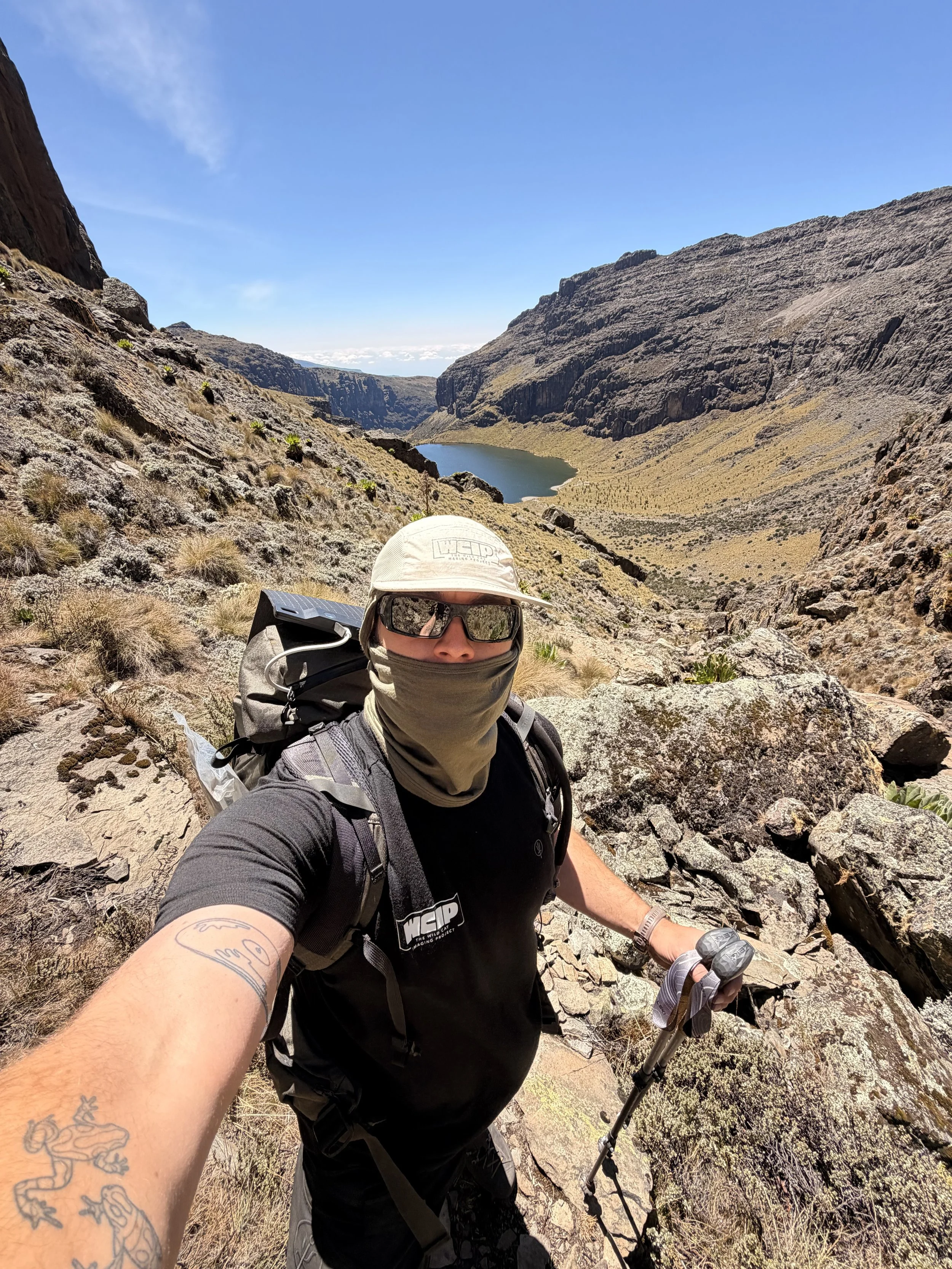
A core focus of our current work is within remote and high-elevation landscapes, including the Talamanca Mountains of Costa Rica and Mount Kenya.
As our partnerships develop, so will the geographic reach of the project.
Our Vision
We want WCIP to become a leading name in wild cat production — combining specialist fieldcraft, advanced camera trapping and strong scientific partnerships to tell stories that would otherwise remain unseen.
Our ambition is to build a global network of filmmakers, researchers, conservationists, camera trappers and local experts, capable of developing meaningful projects across some of the world’s most important wild cat landscapes.
As WCIP grows, so does our ability to support the people and research behind those stories — creating a model where better productions lead to greater investment, stronger partnerships and more impact in the field.
Meet Benjamin
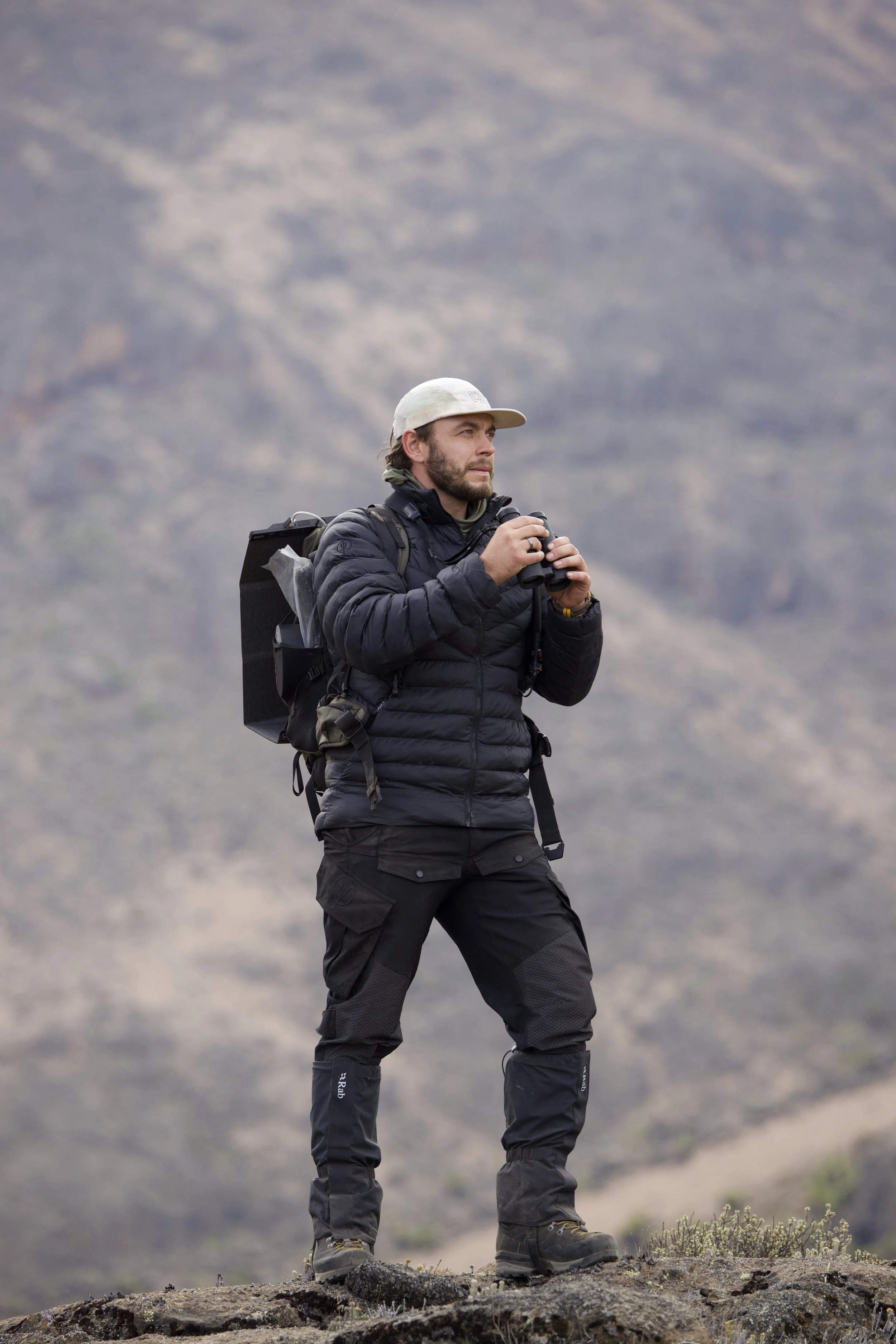
Benjamin Luke is a conservation biologist and founder of The Wild Cat Imaging Project. His work focuses on using camera trapping and visual storytelling to study and raise awareness for elusive wild cat species in some of the most remote landscapes of Central America. Through field research, conservation partnerships, and compelling imagery, Benjamin aims to bridge the gap between science and public engagement to drive meaningful action for wild cat conservation.