
Stories from the world's wildest places.
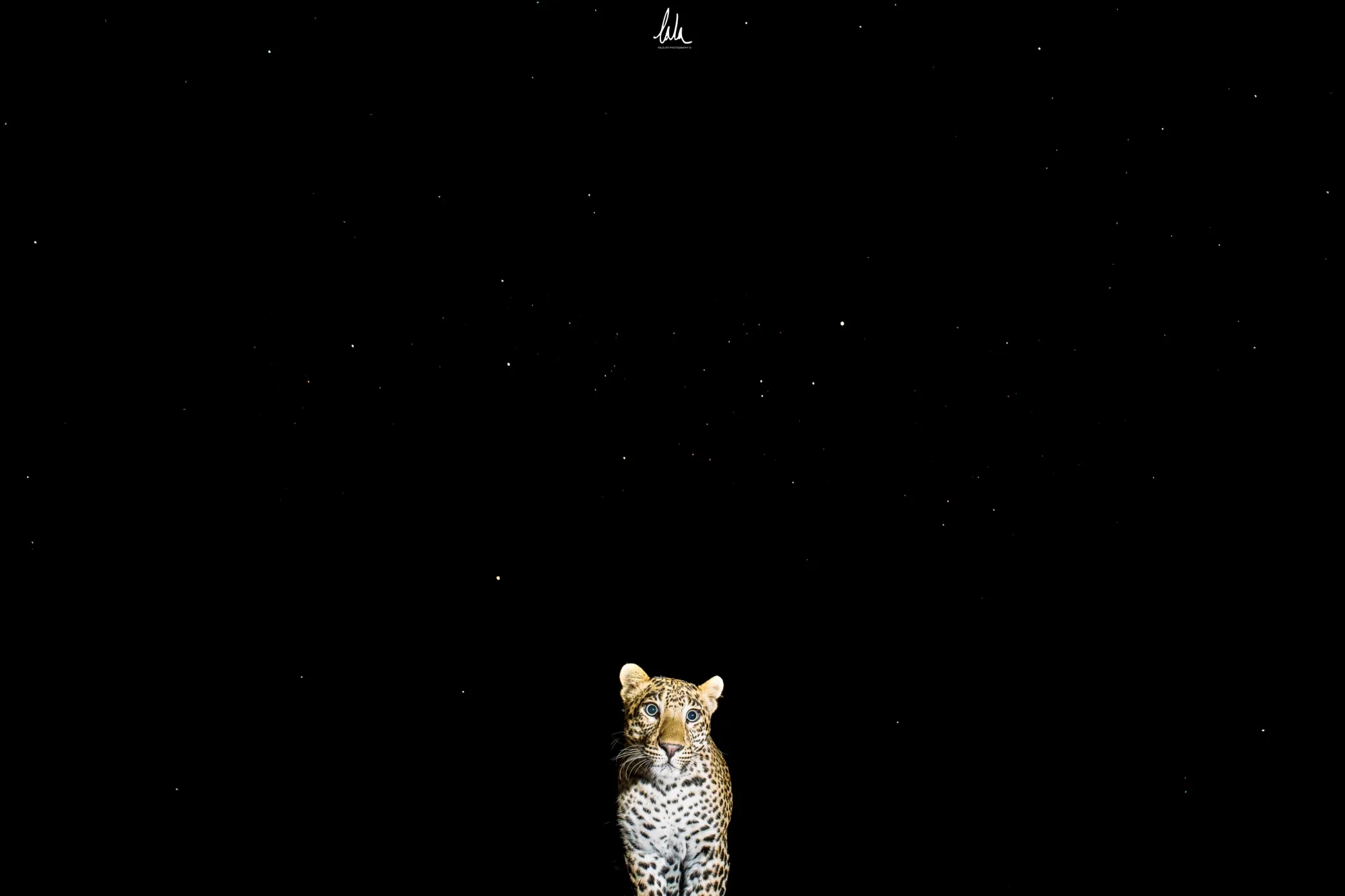
The Wild Cat Imaging Project is a specialist wildlife production and camera-trapping organisation documenting the world's wild cats.
We combine field expertise, advanced imaging technology and scientific collaboration to reveal stories rarely seen on screen.
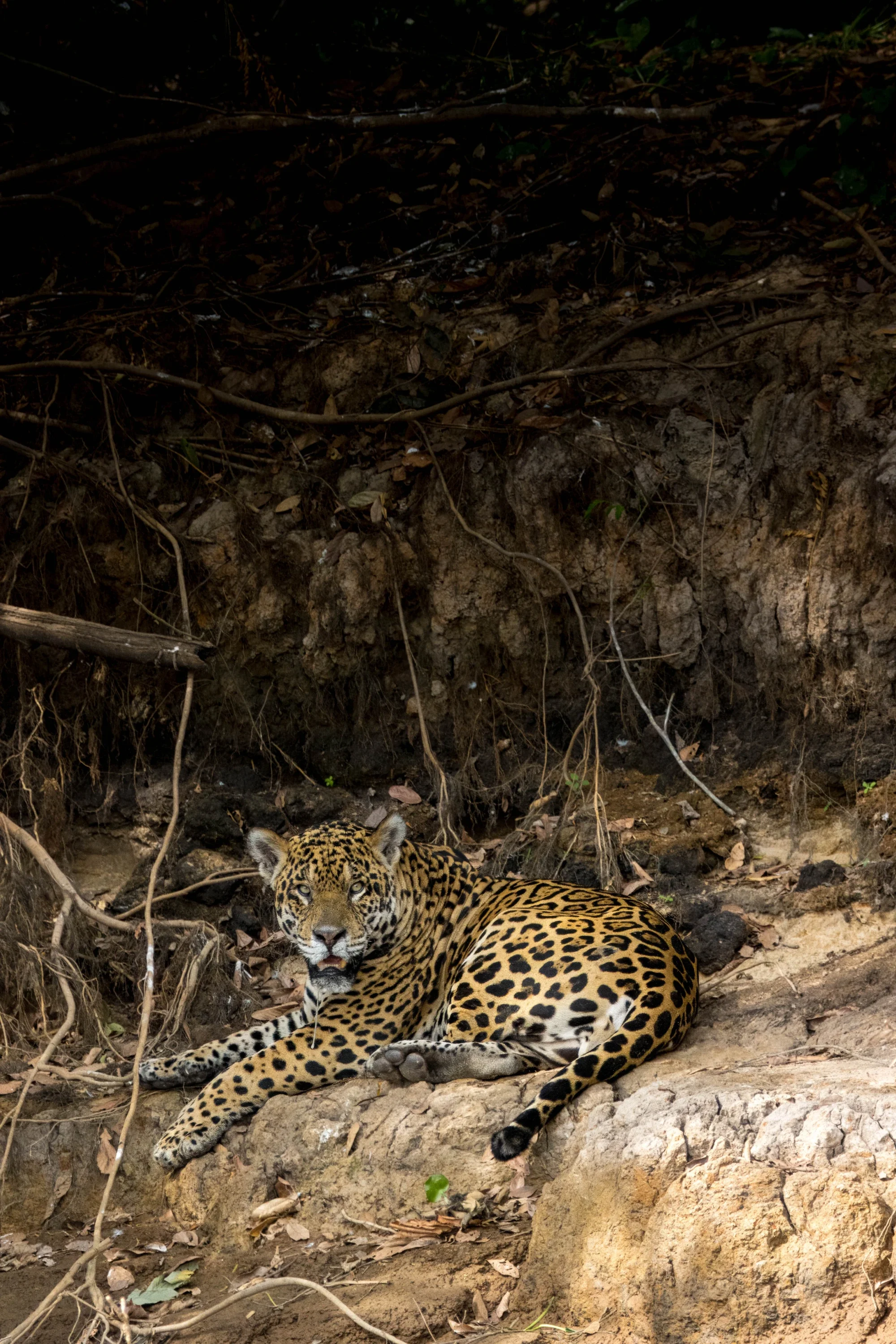
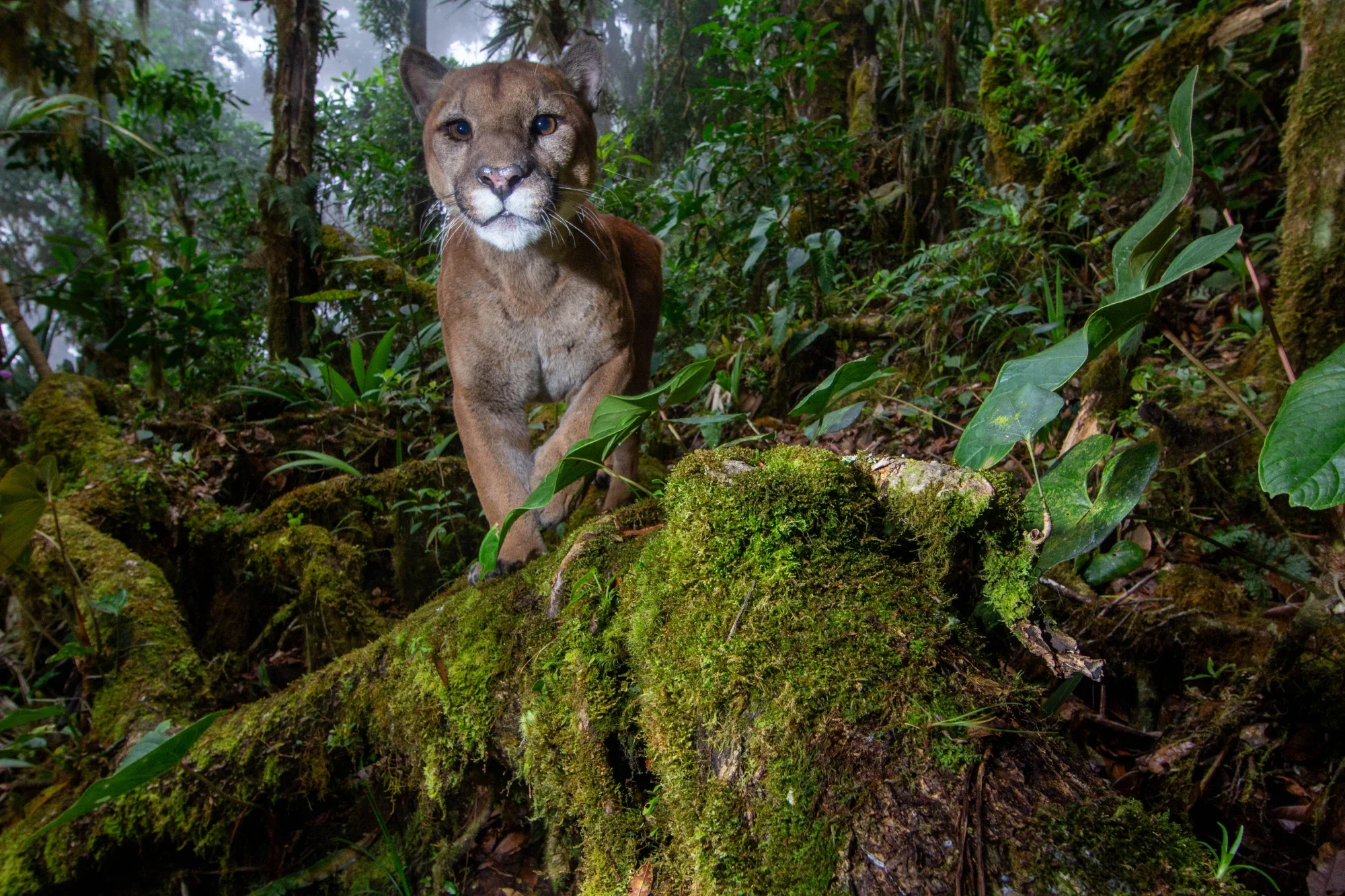
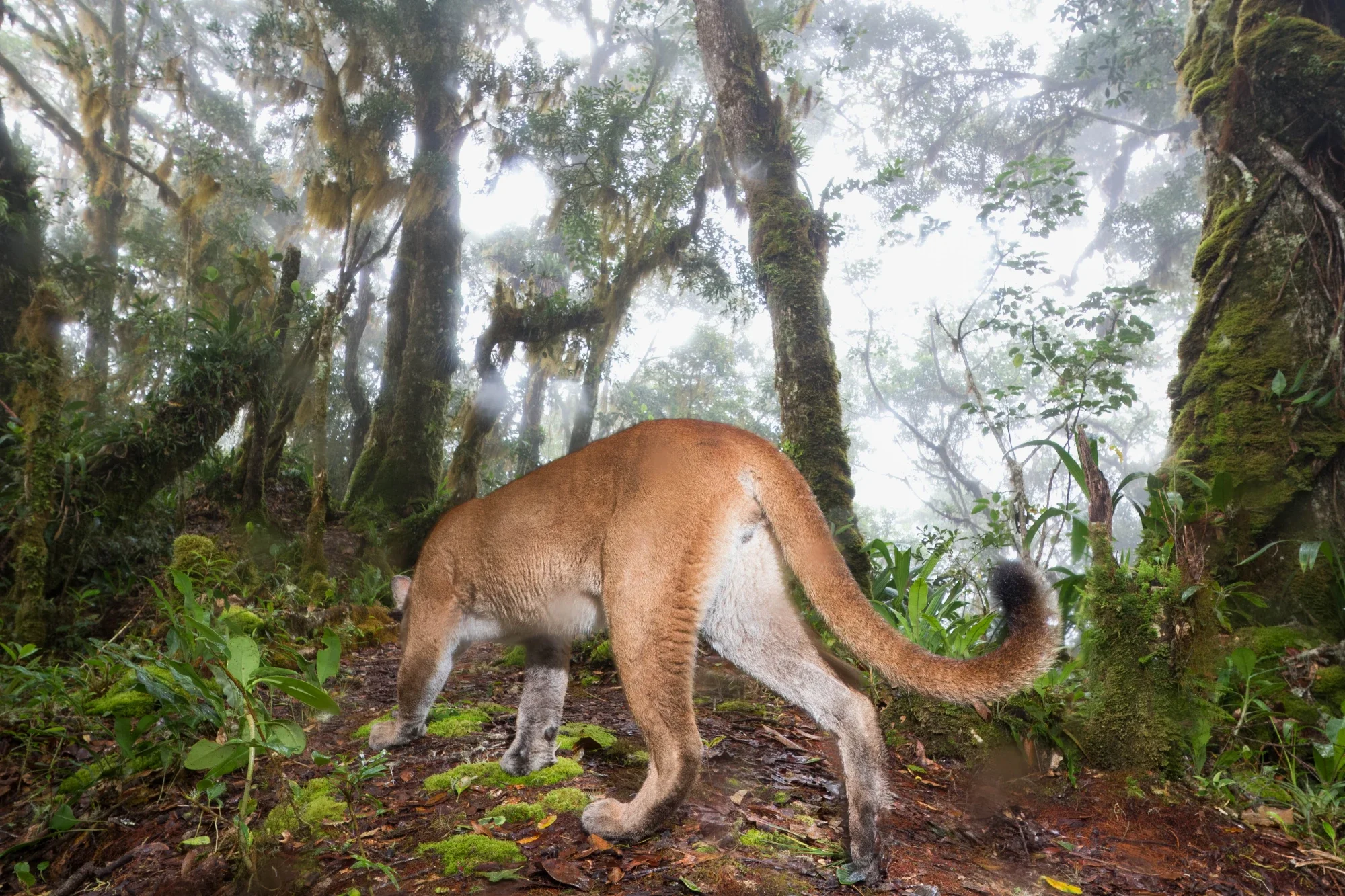
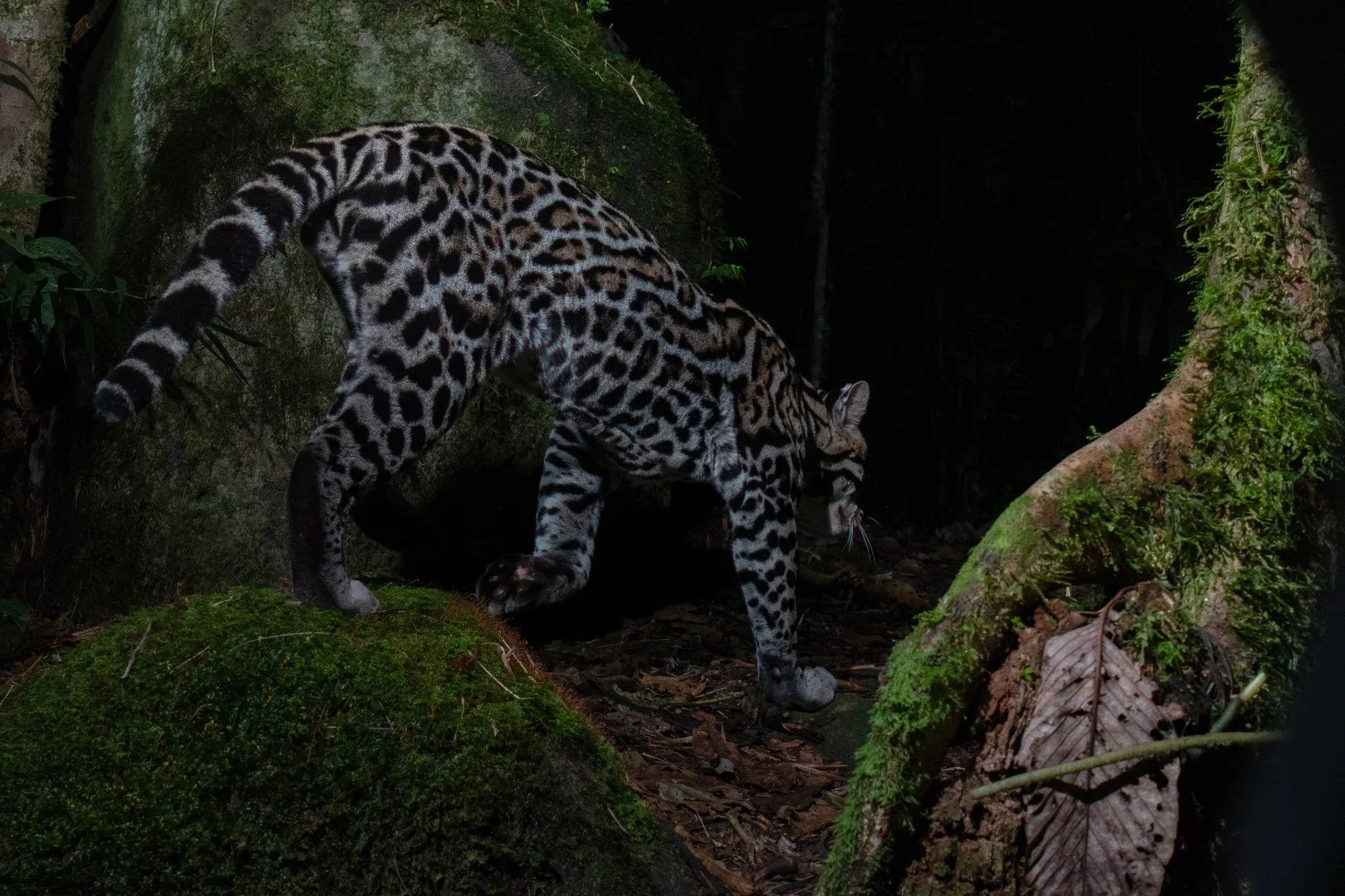
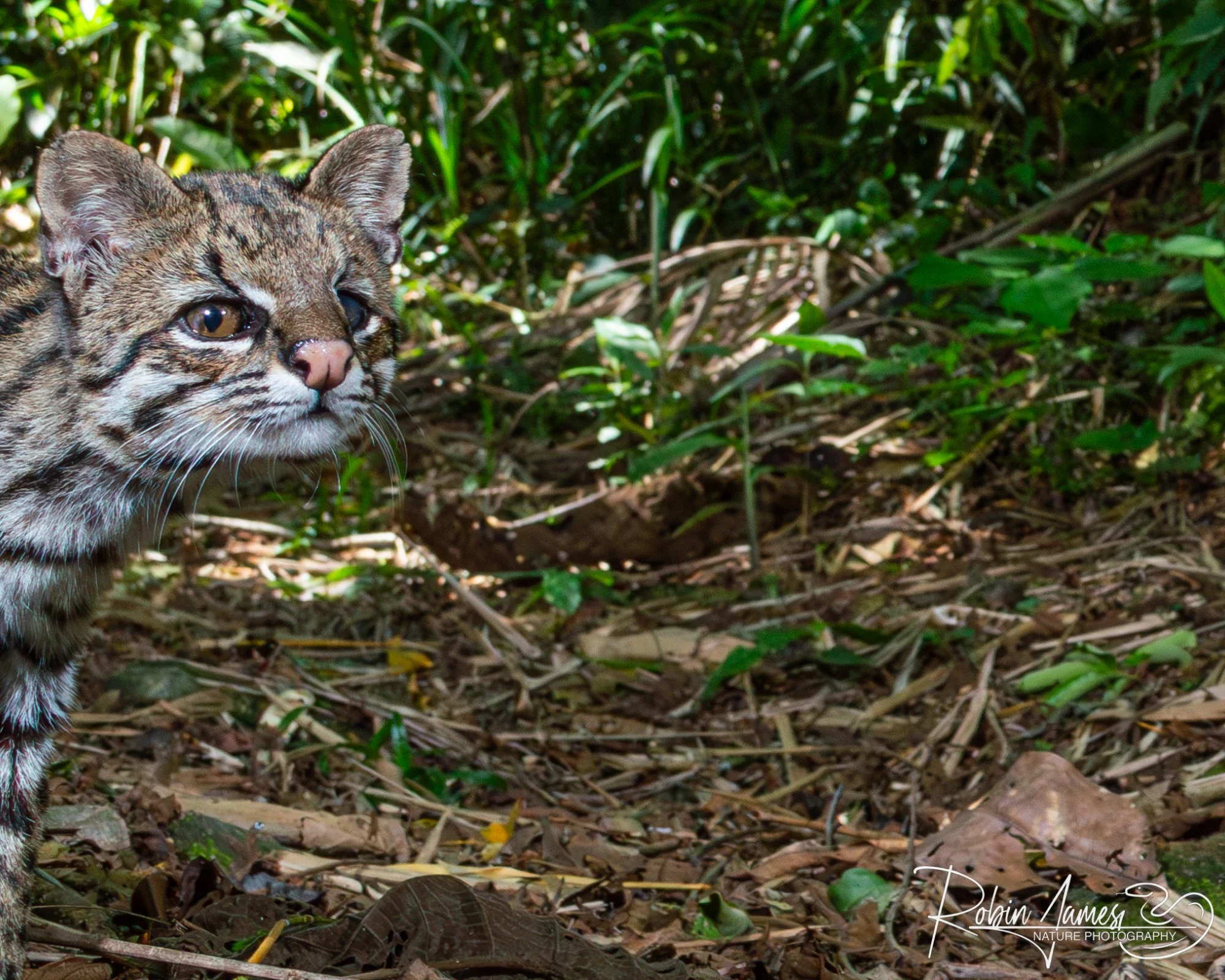
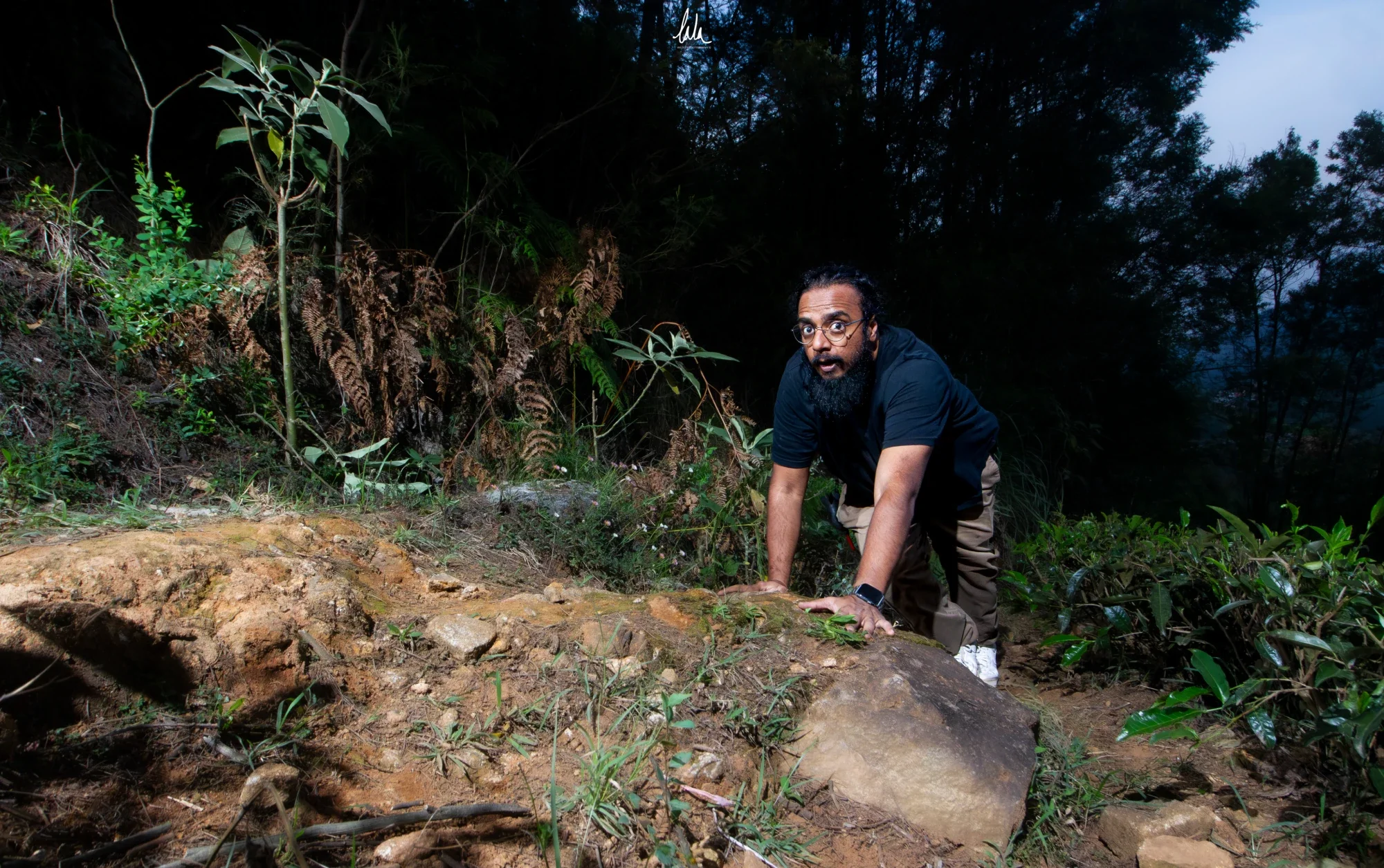
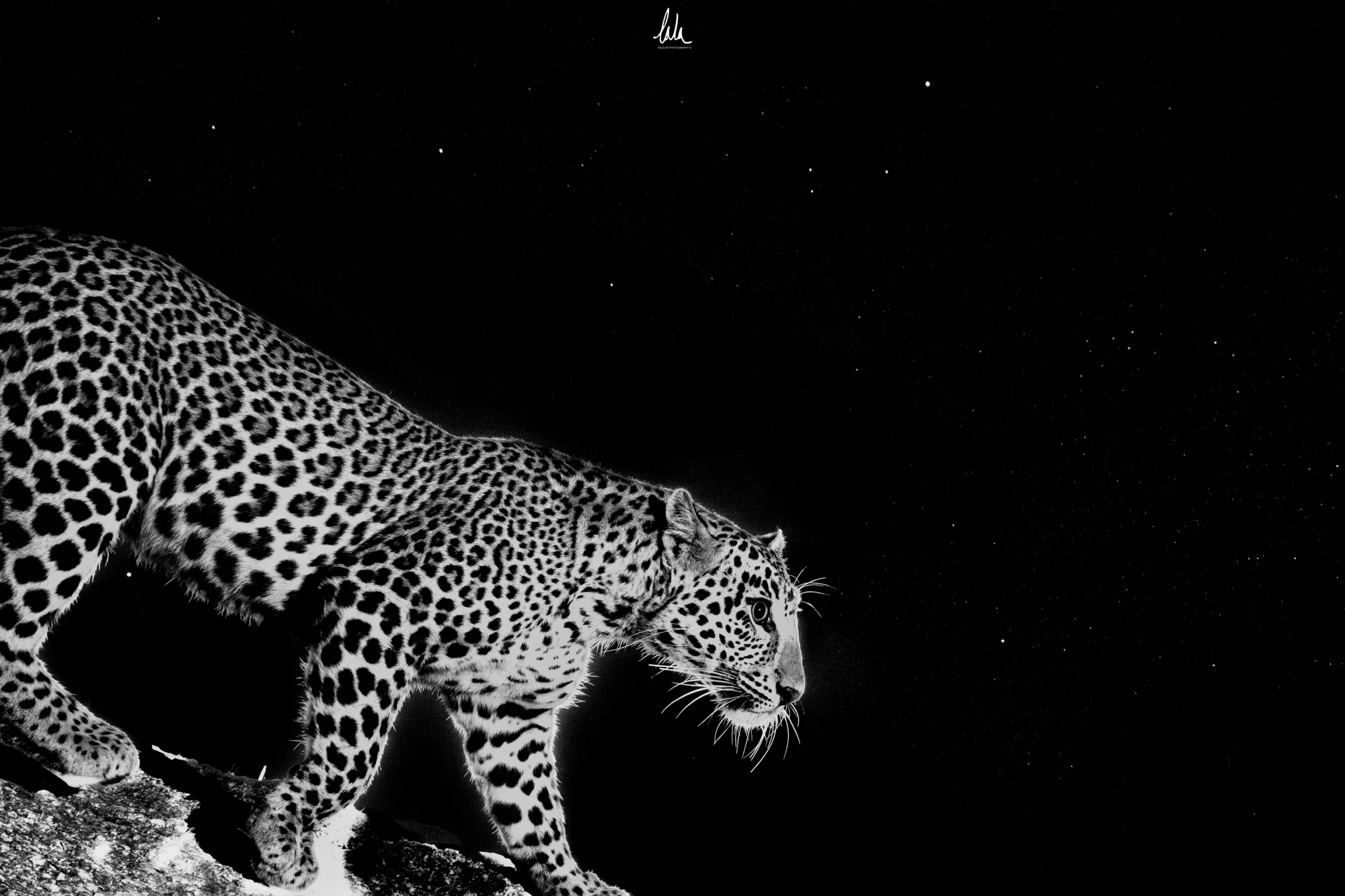
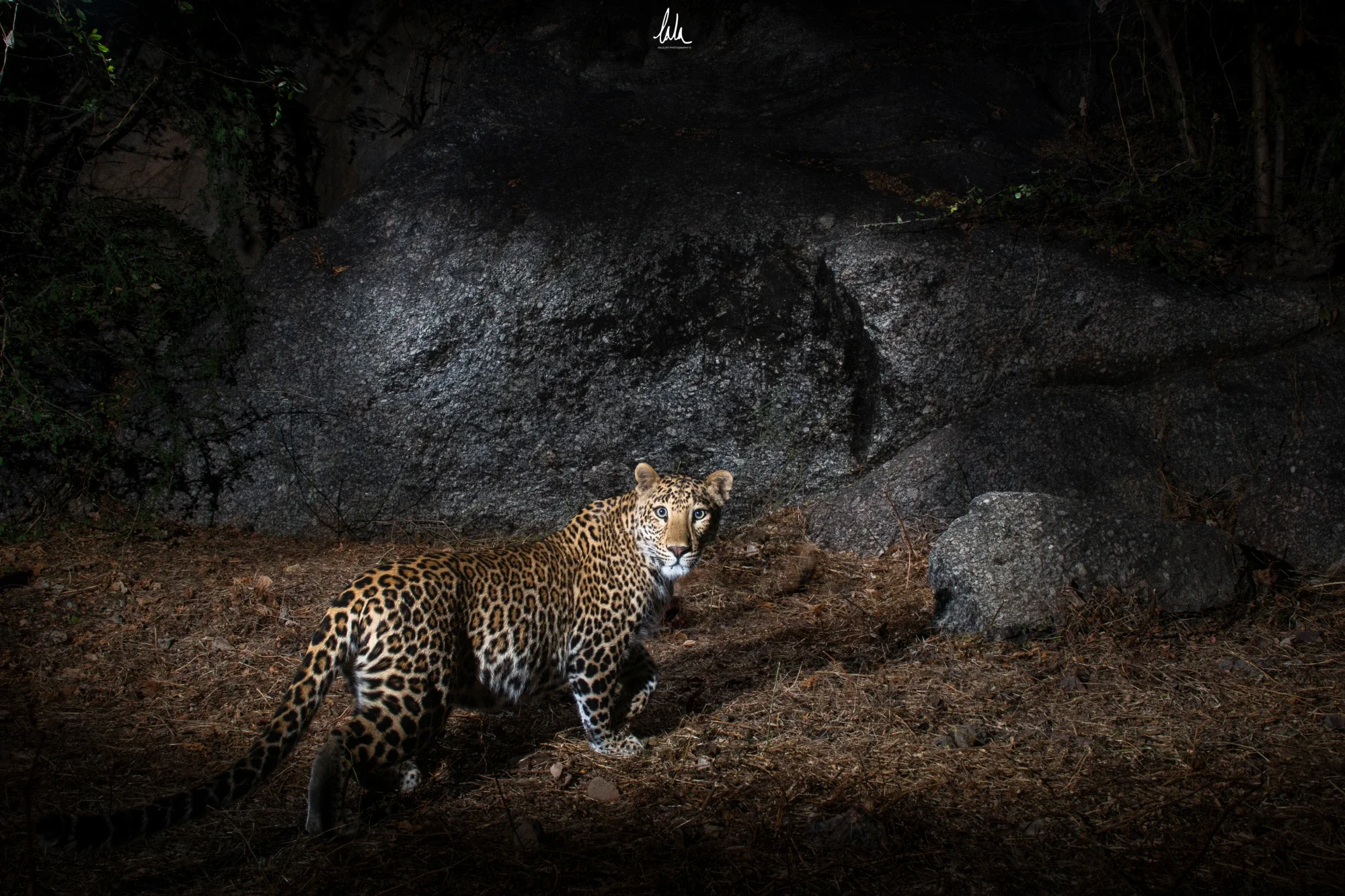
What We Do
Research
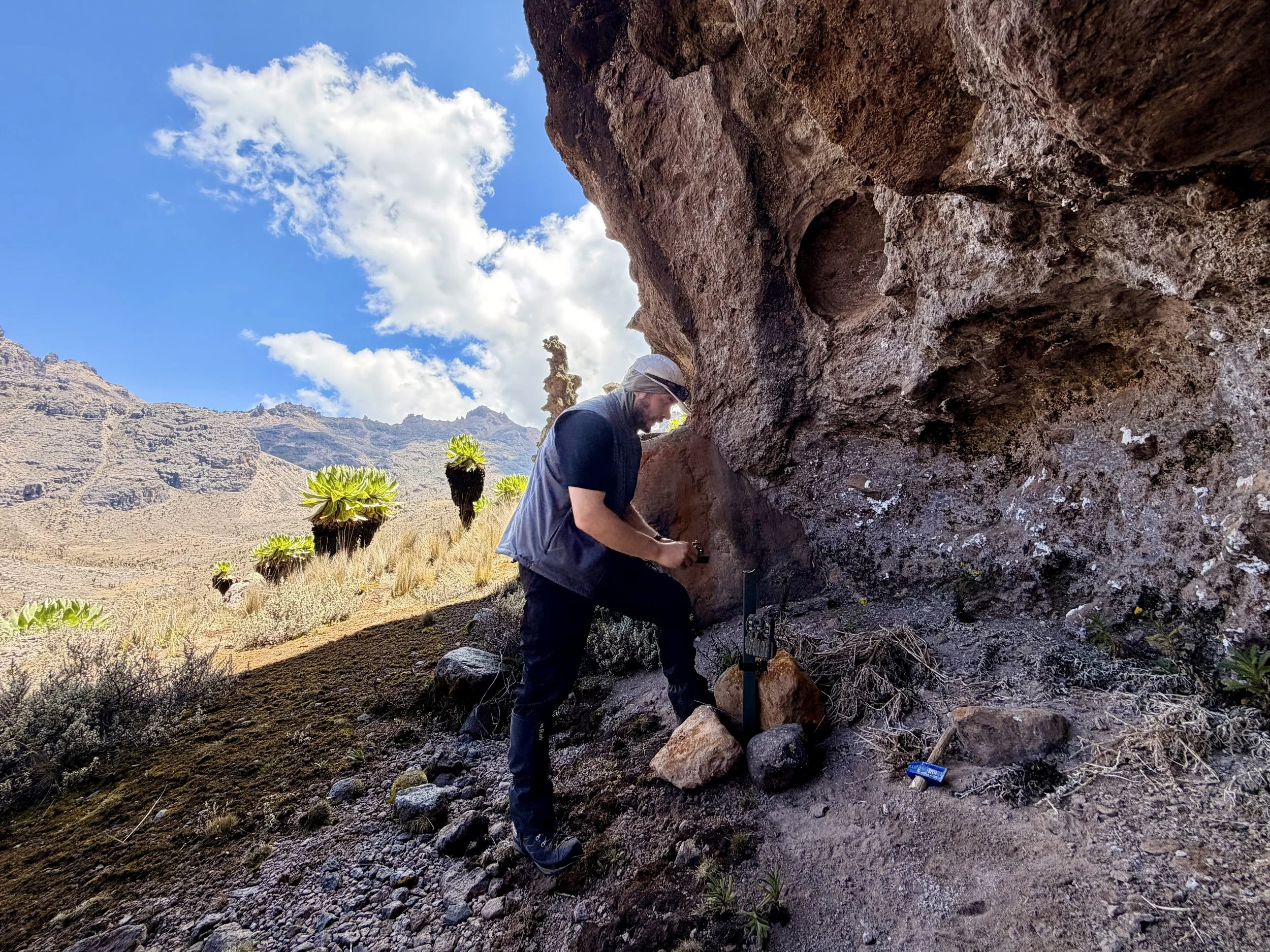
We work alongside researchers and conservation organisations, providing equipment, field capability, imagery and financial support to meaningful wild-cat research. By connecting scientific work with production and public storytelling, WCIP helps valuable research reach wider audiences while supporting the people carrying it out.
Productions
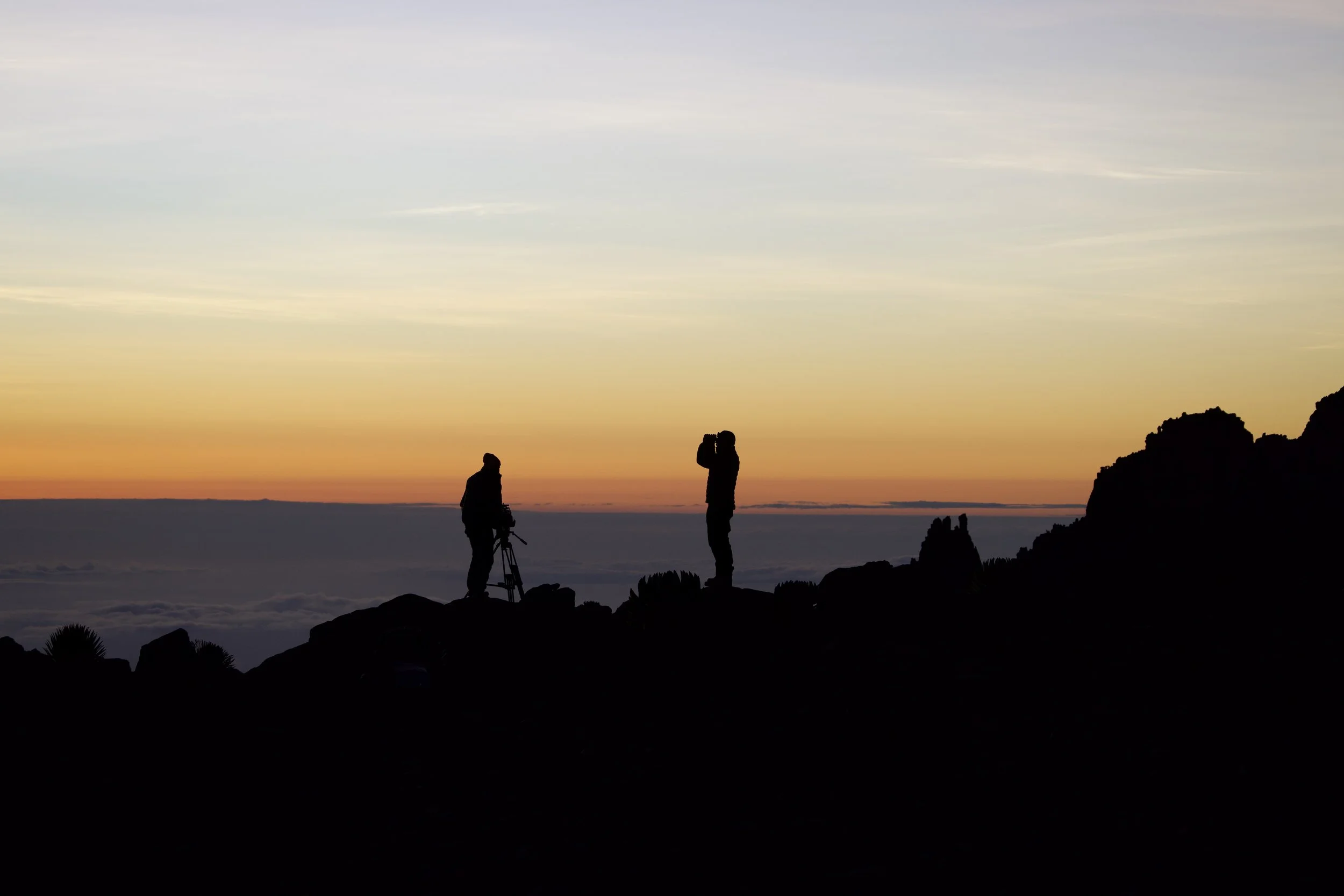
Original films and collaborative productions built around extraordinary wild cats, landscapes and the people working to understand them. From early development through to field production, WCIP focuses on authentic natural-history storytelling rooted in real science, real behaviour and meaningful conservation context.
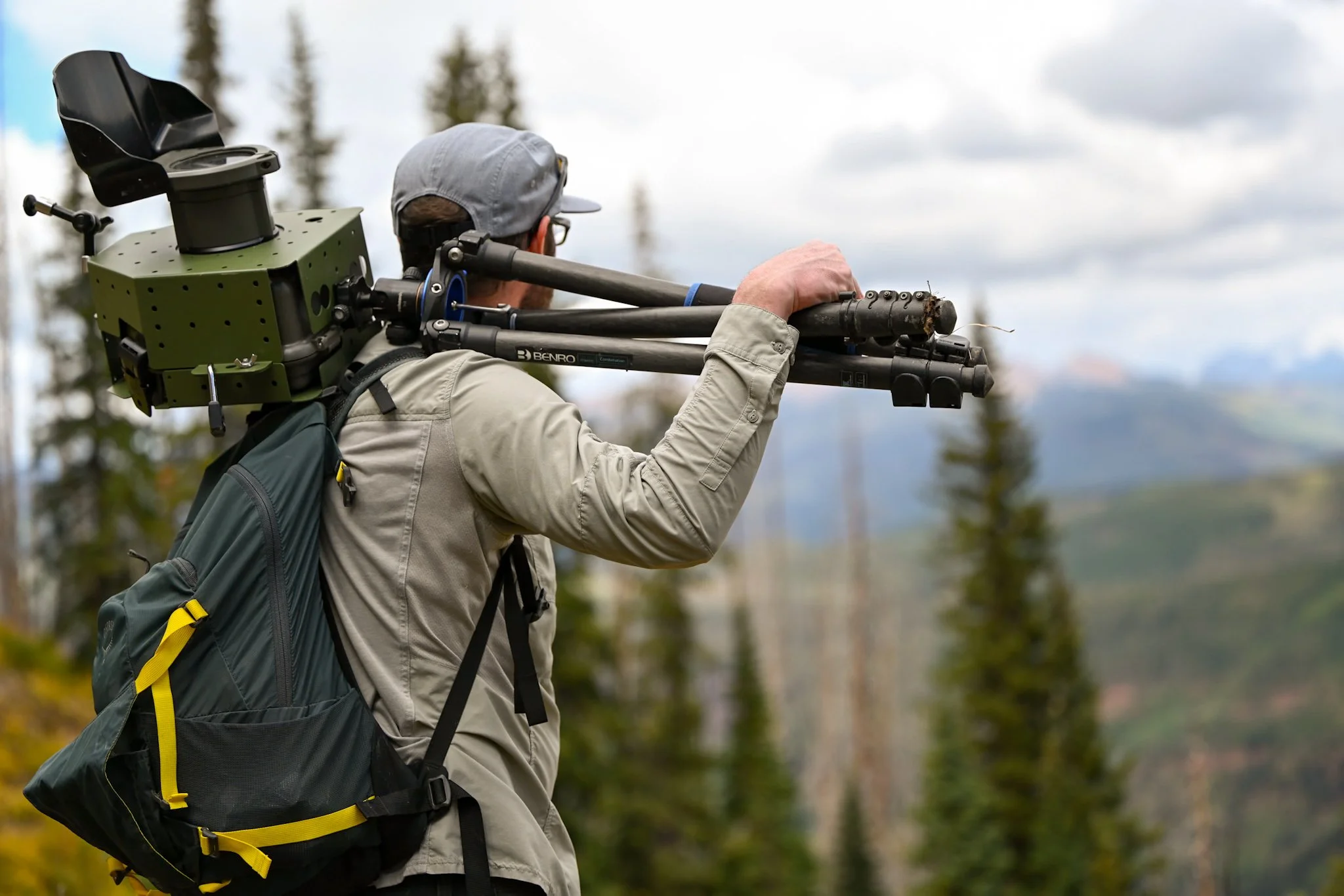
Camera Trapping
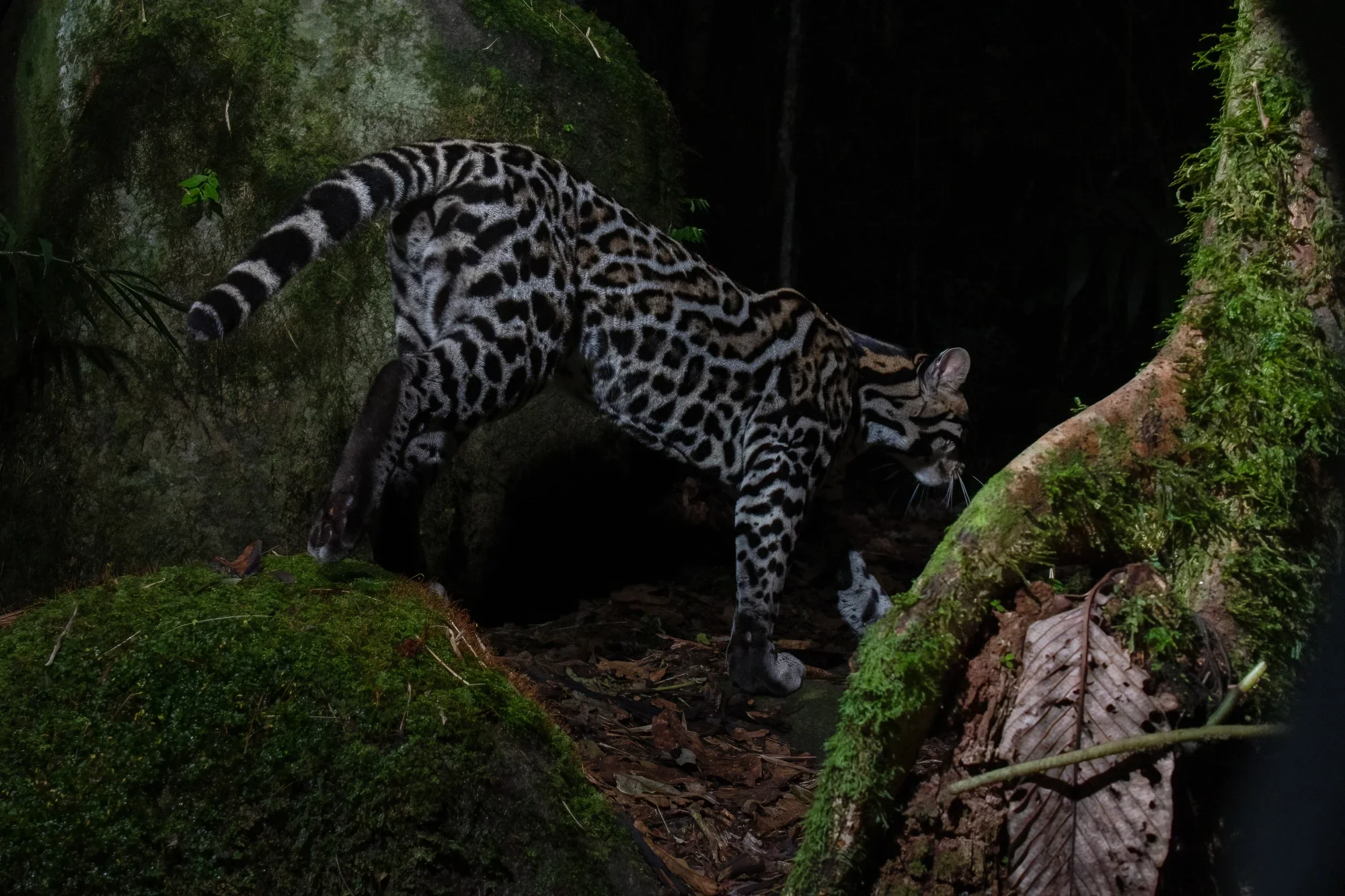
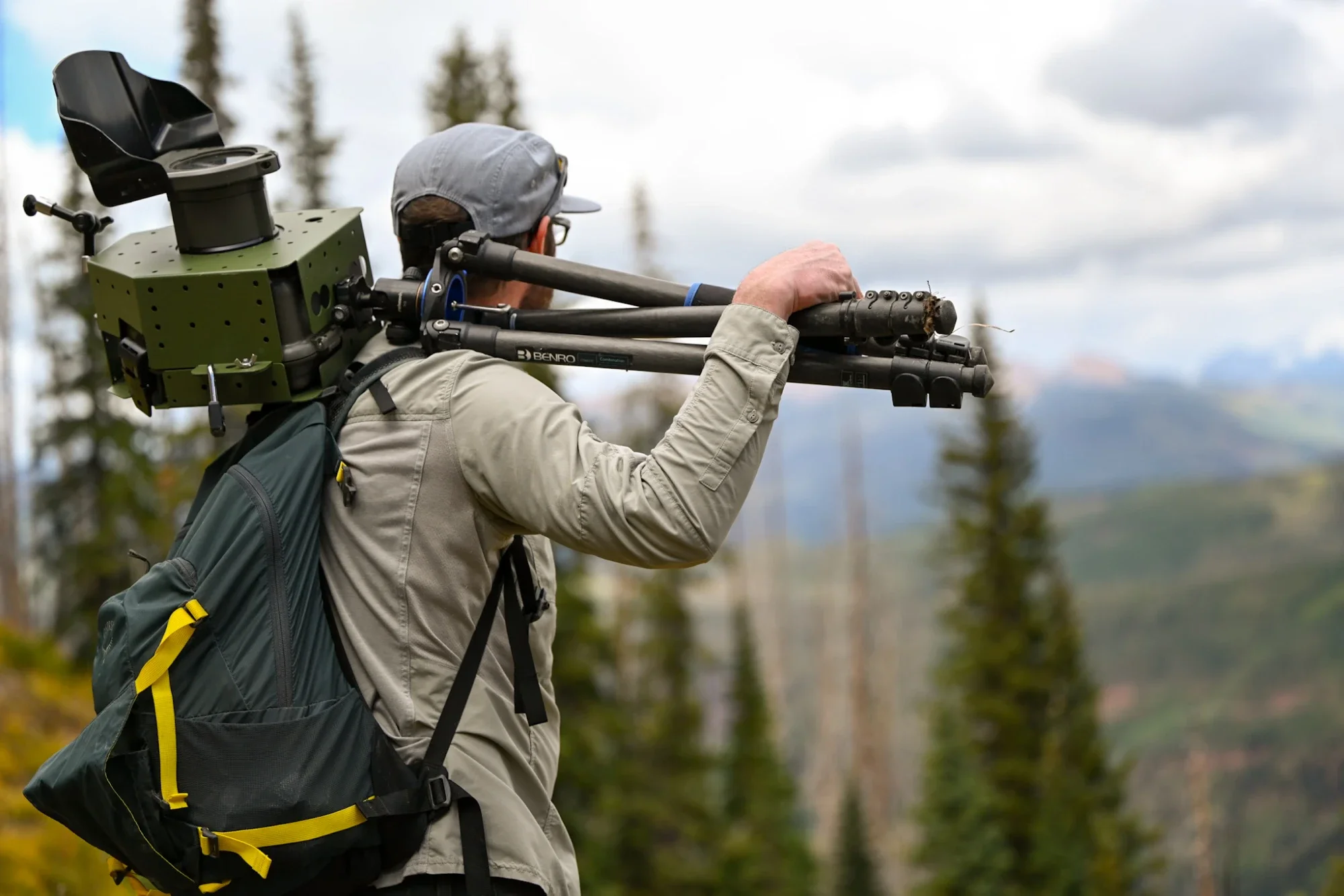
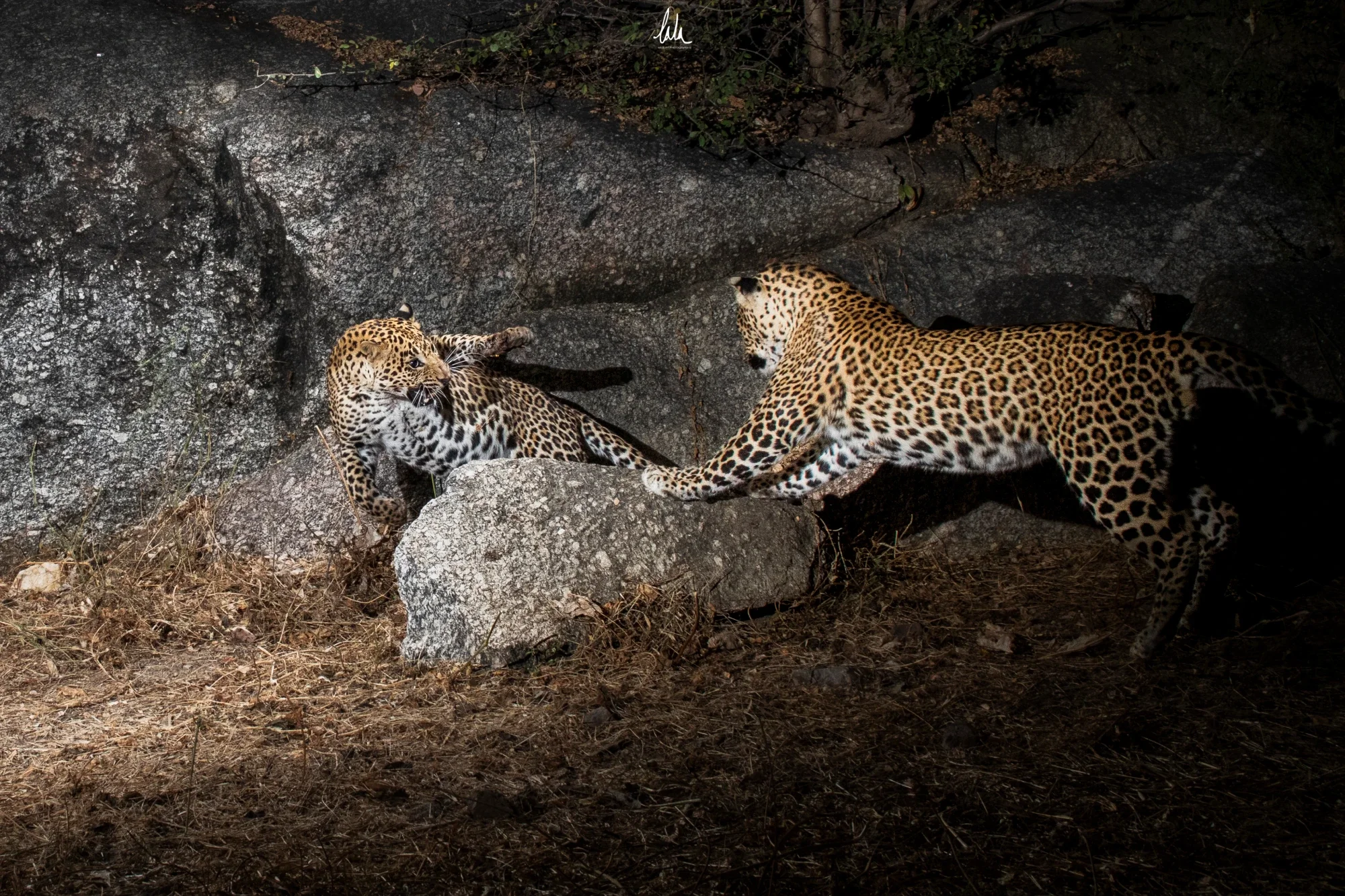
Specialist remote camera systems designed to capture natural behaviour where conventional filmmaking cannot. Using advanced trail-camera networks, mirrorless systems and bespoke remote setups, WCIP can operate for extended periods in difficult environments with minimal disturbance to wildlife.

Storytelling
Scientific data tells us what is happening. Powerful imagery helps people care about it. We use photography and film to communicate the importance of wild felids and the landscapes they inhabit, bringing research out of the field and into the public consciousness.
From the Field
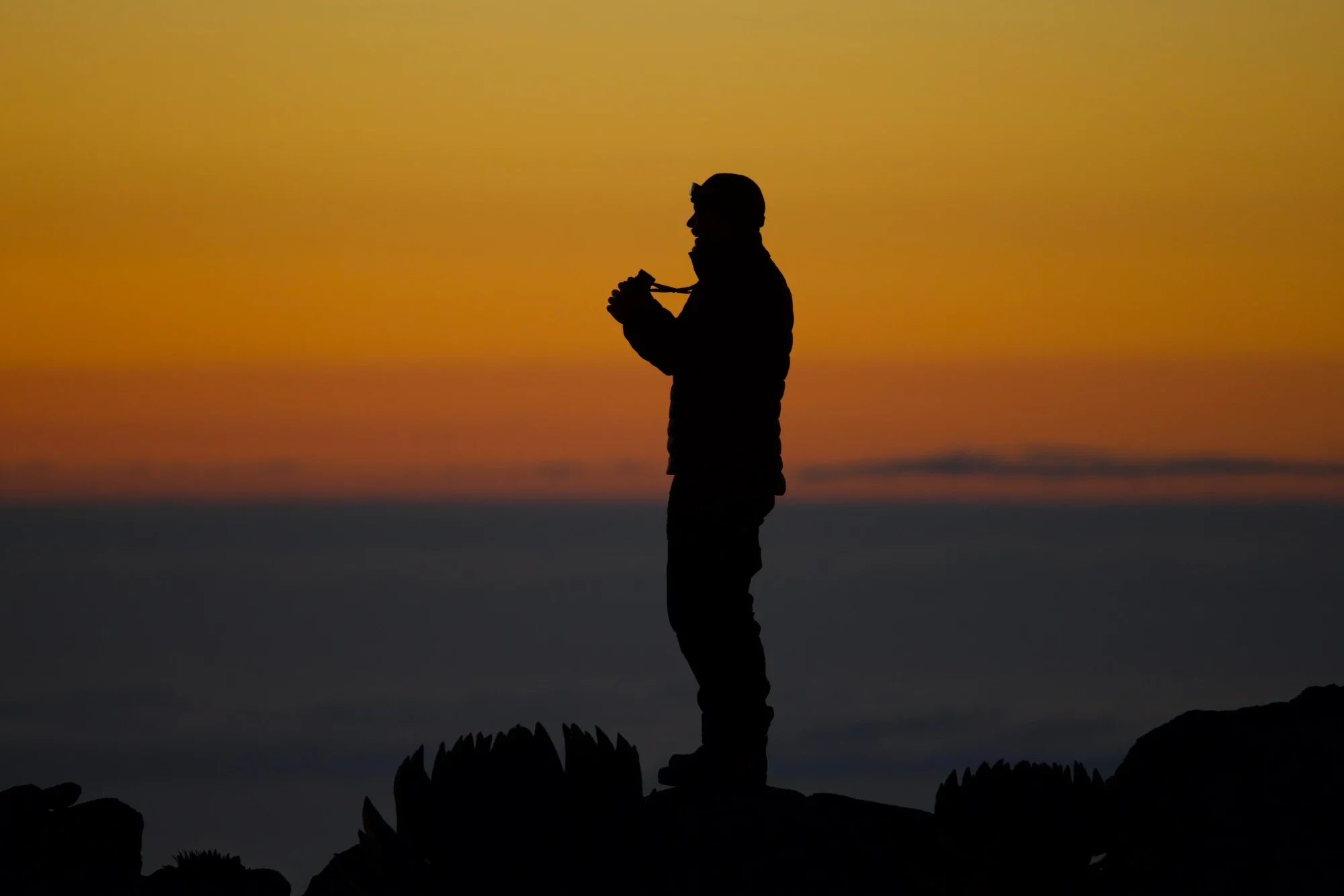
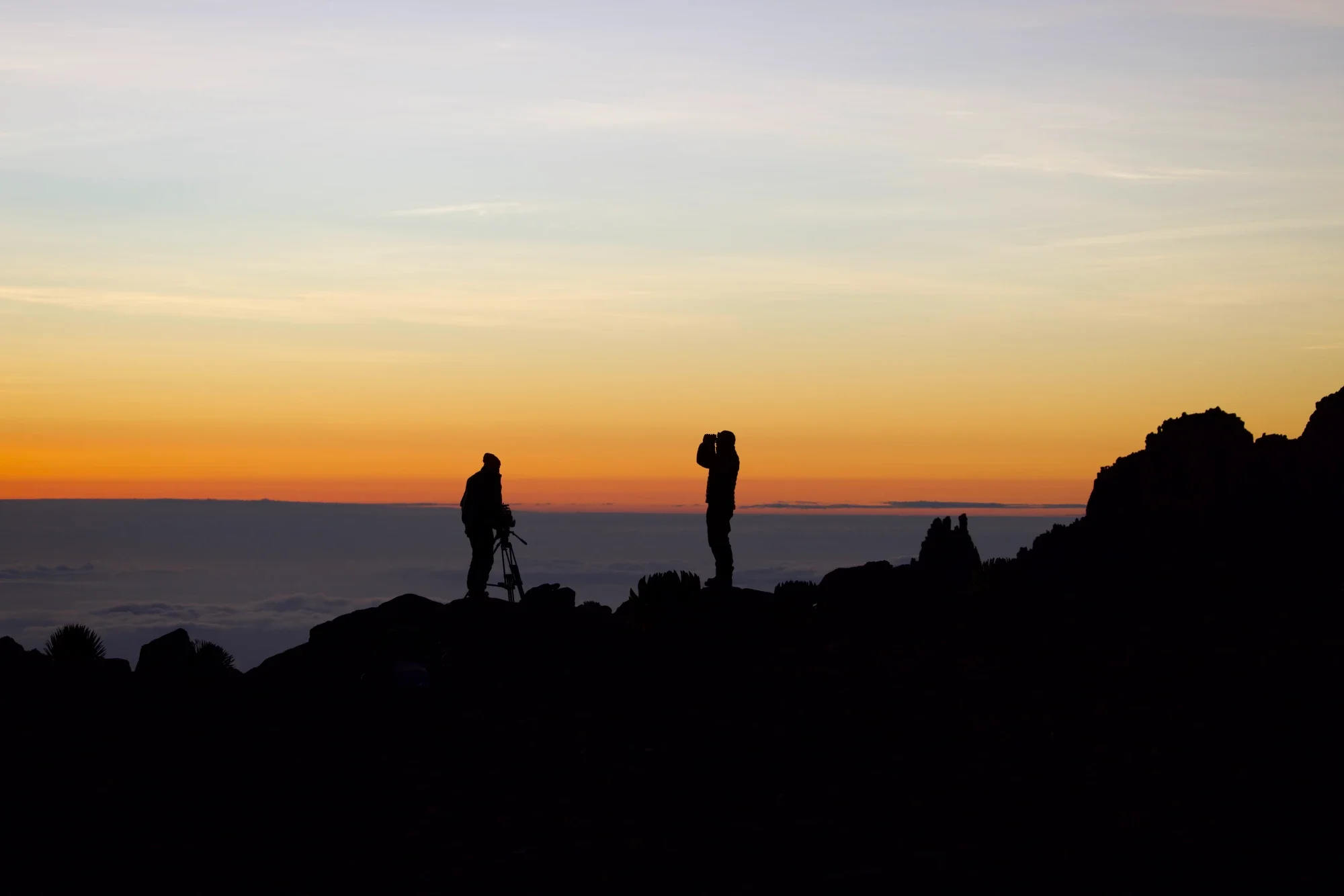
Our work takes us from tropical forests and remote mountain ranges to high-altitude ecosystems rarely explored by conventional wildlife monitoring programmes.
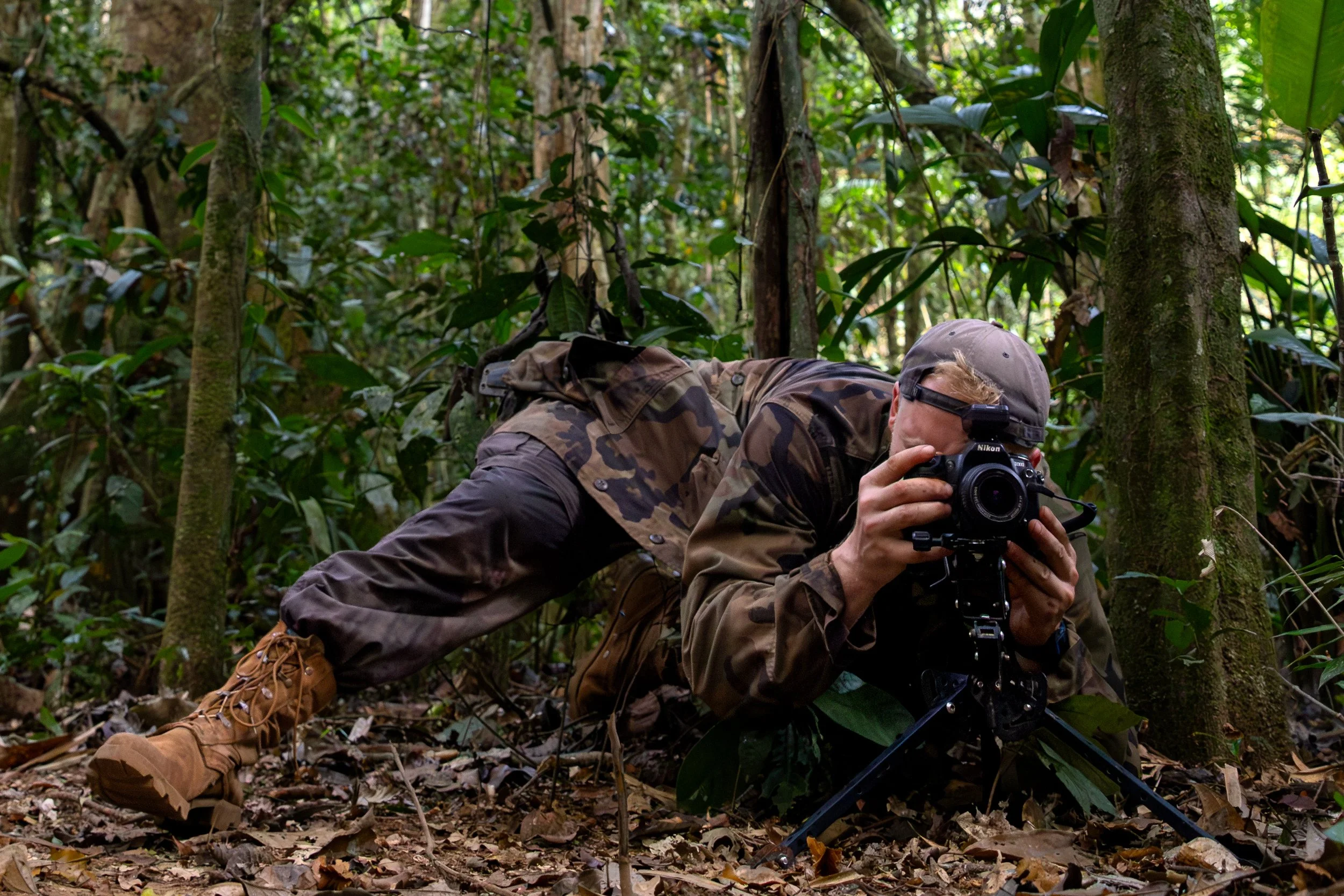
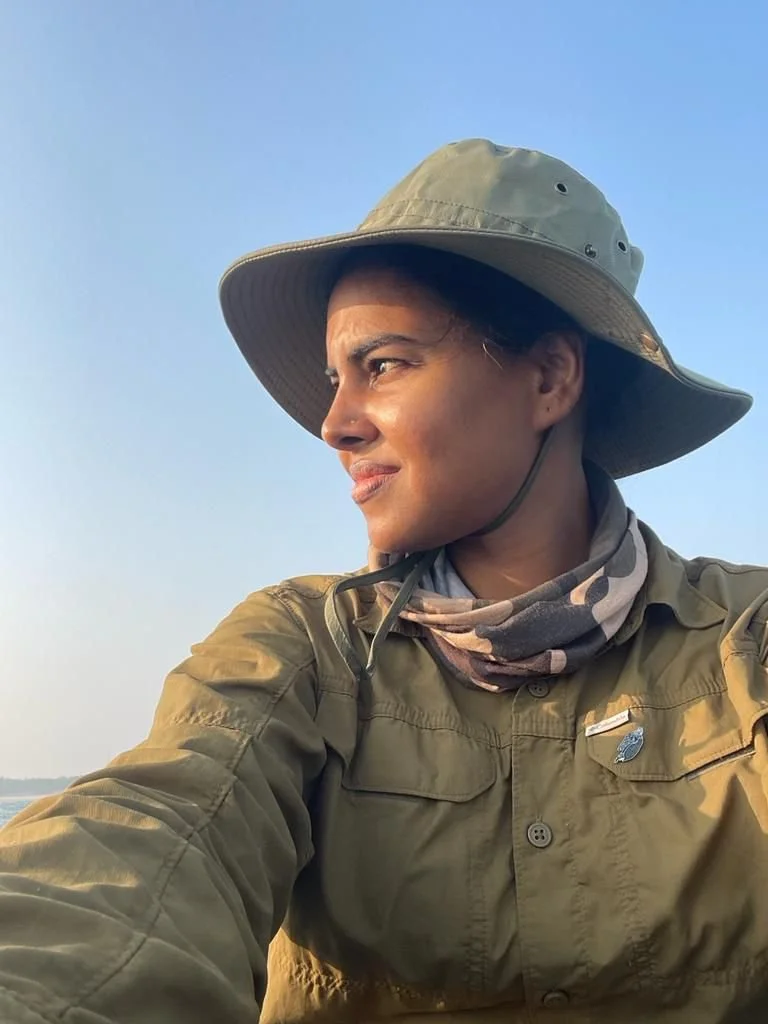
Every deployment has a purpose.
Every camera provides another opportunity to understand how wild cats are using these landscapes.
And sometimes, a single image can reveal something that has never been seen before.

The Power of an Image
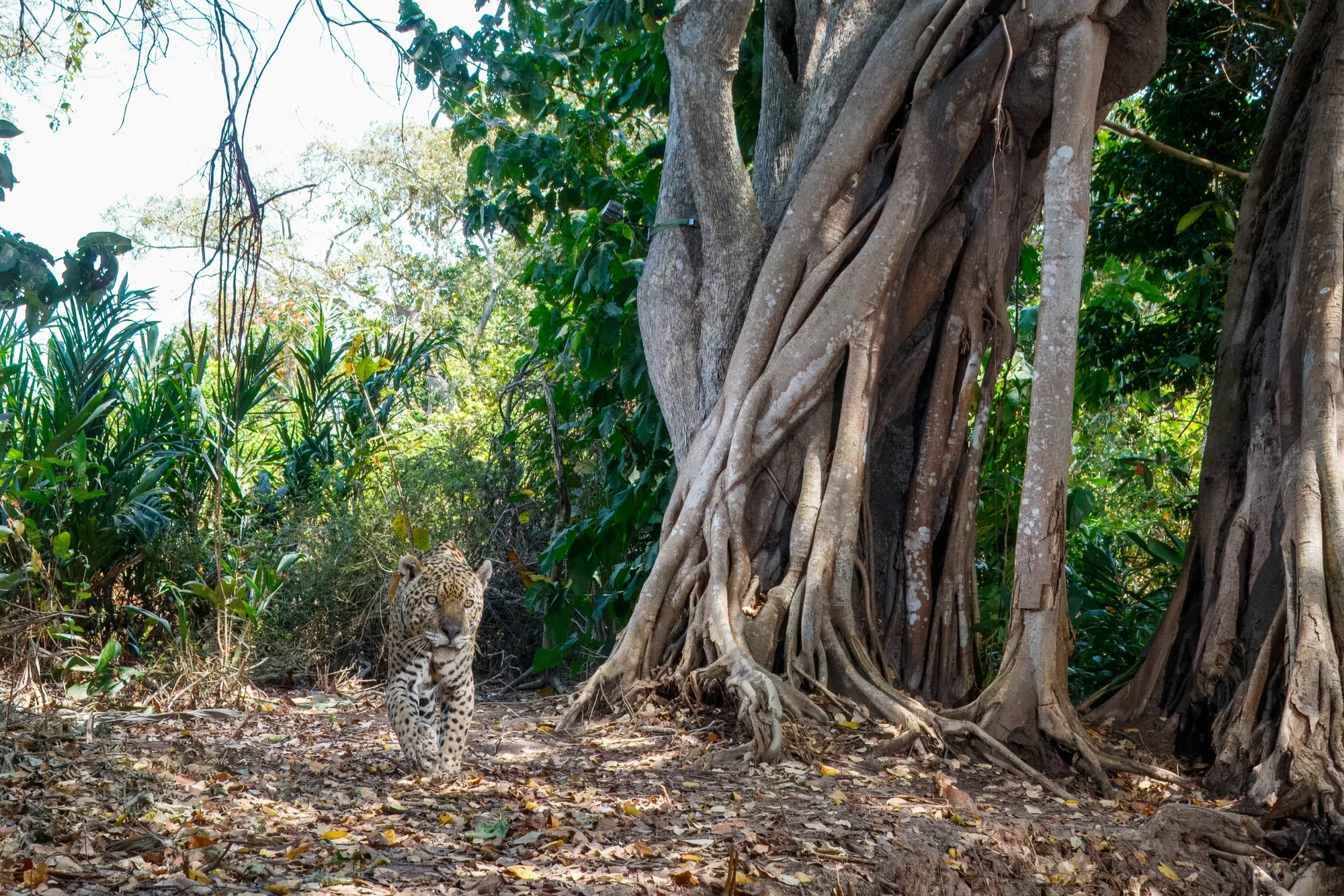
A camera trap can operate silently for weeks or months.
It can document an animal that a researcher may never physically see.
For science, that image can represent a data point.
For conservation, it can represent proof that a species still occupies a landscape.
For the public, it can create a connection with an animal living thousands of miles away.
Our work exists at the intersection of all three.
Help Us Keep Looking
There are still landscapes we know remarkably little about and wild cats whose lives remain largely hidden from us.
By supporting the Wild Felid Conservation Trust, you help us put more cameras into the field, support more research collaborations and tell more of the stories that need to be seen.