

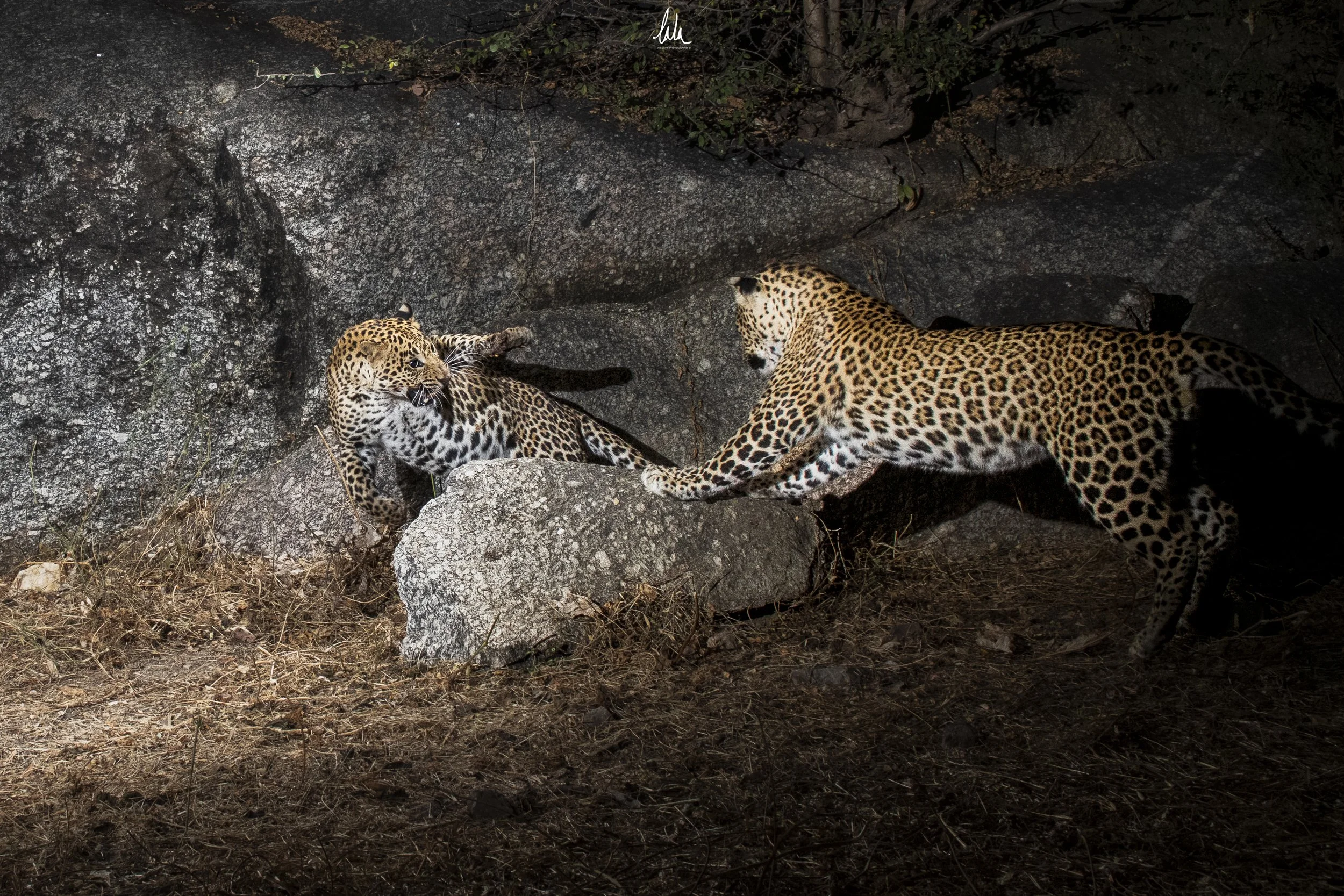
Research in the World’s Wildest Landscapes
Understanding elusive predators requires patience.
It can take months of deployment, difficult expeditions and thousands of camera-trap nights to begin building a picture of how wild cats occupy a landscape.
Our work focuses particularly on environments where traditional wildlife monitoring is difficult and where our expertise in remote camera trapping can provide new opportunities for research.
What We Investigate
Depending on the project, our camera networks can help researchers investigate:
• Species presence and distribution
• Habitat use
• Elevational range
• Activity patterns
• Behaviour
• Species interactions
• Population monitoring
• Individual identification
• Landscape connectivity
• Previously undocumented or poorly understood habitats
The design of every project is guided by the ecological questions being asked and the needs of our partners.
Field Research
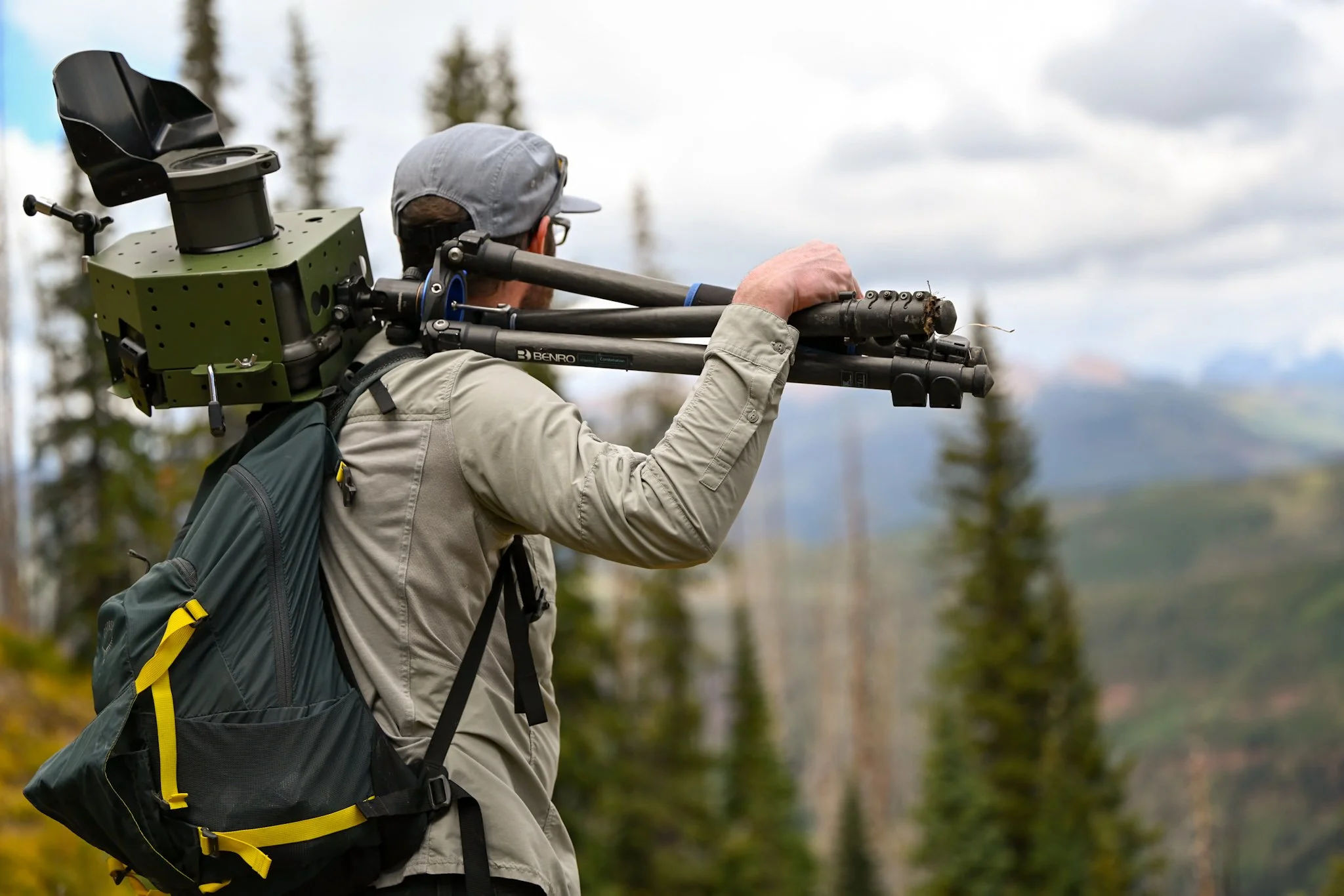
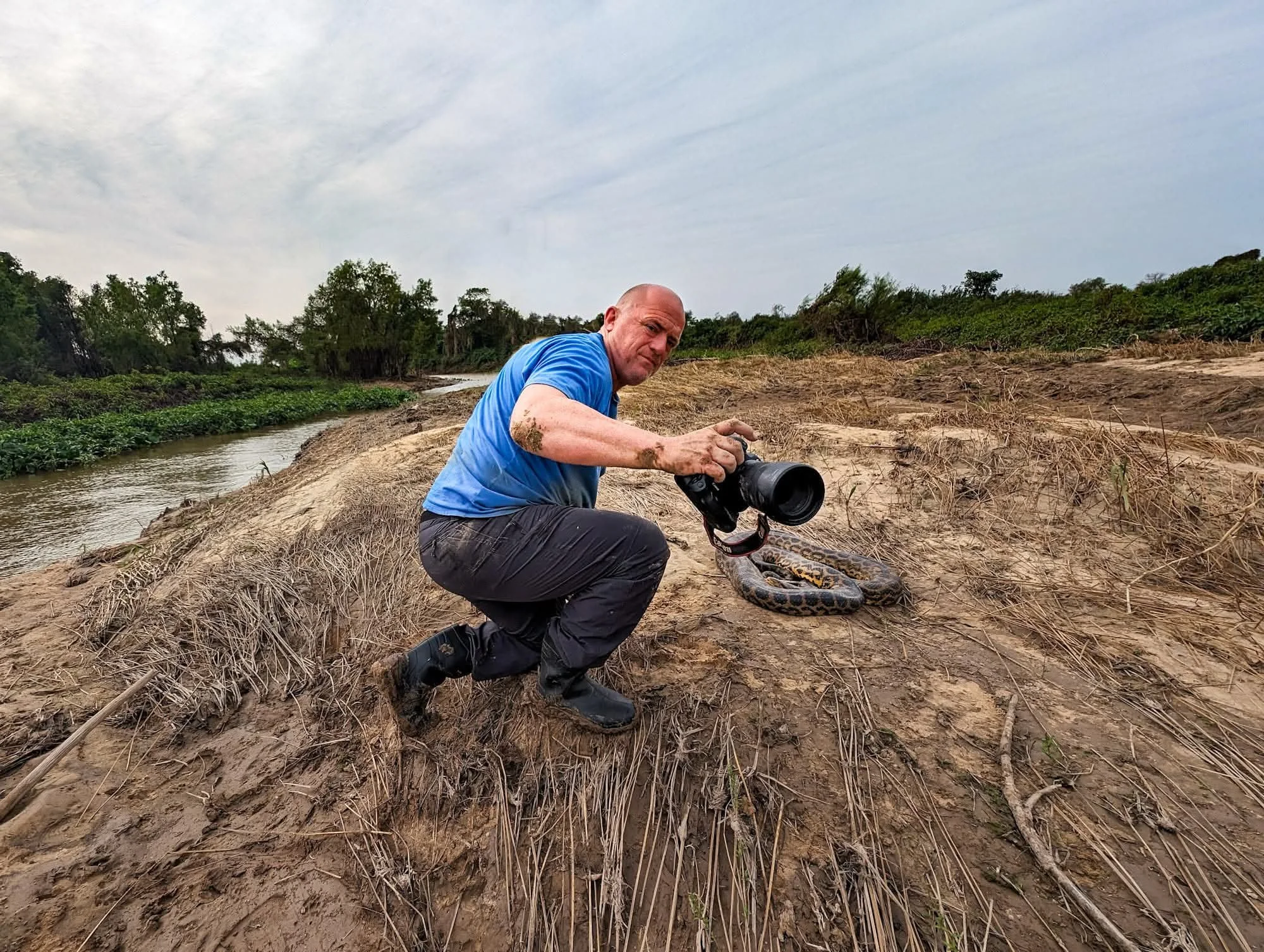
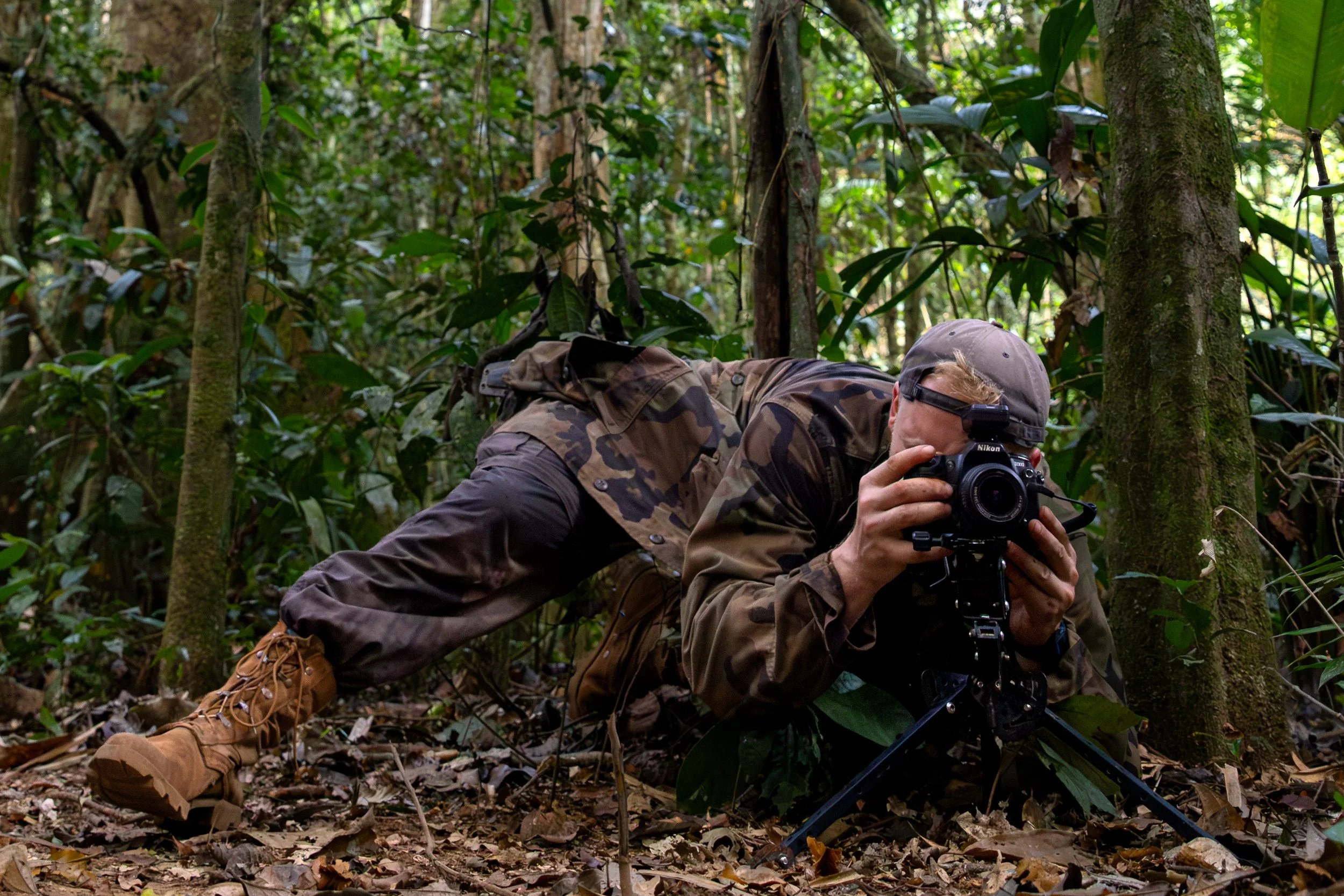
Our teams deploy equipment into environments ranging from tropical forests to remote mountain systems.
Site selection, deployment strategy and camera positioning are carefully considered to maximise both ecological value and equipment reliability.
In remote landscapes, cameras may remain unattended for extended periods.
Equipment must therefore be capable of surviving humidity, rainfall, extreme temperature changes, altitude and wildlife interference while continuing to collect usable information.
Advanced Camera Trapping
We operate two complementary forms of camera trapping.
Ecological Monitoring
Networks of trail cameras allow wildlife to be monitored continuously across large areas.
These systems provide repeatable detection data and can operate for months with limited disturbance.
Over time, this creates valuable long-term datasets that can reveal changes in species presence, distribution, activity patterns and habitat use. Repeated surveys can also help identify population trends, seasonal movements and shifts in ecological communities.
High-End Camera Trapping
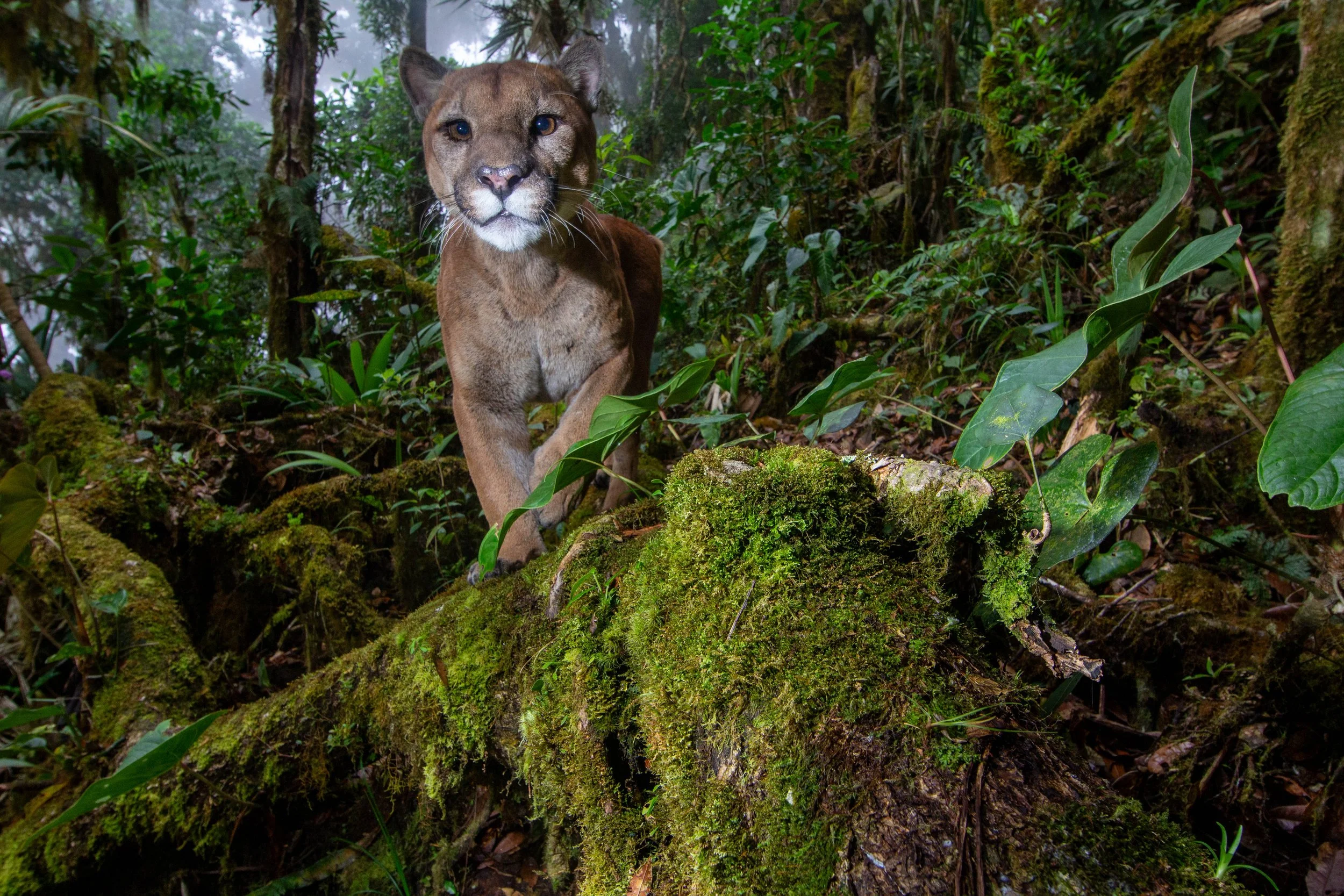
Specialist DSLR and mirrorless systems allow us to create photographs and video footage with a level of quality normally impossible from conventional trail cameras.
These systems can use external sensors, carefully positioned lighting and professional camera equipment to photograph animals automatically as they move through the landscape.
The result is imagery captured completely without a photographer being present.
Data to Story
A fundamental part of our approach is ensuring valuable research does not remain invisible.
Where appropriate, imagery and film produced during projects are used to communicate discoveries, explain ecological questions and introduce audiences to species rarely seen in the wild.
Research creates knowledge.
Storytelling creates connection.
Conservation needs both.